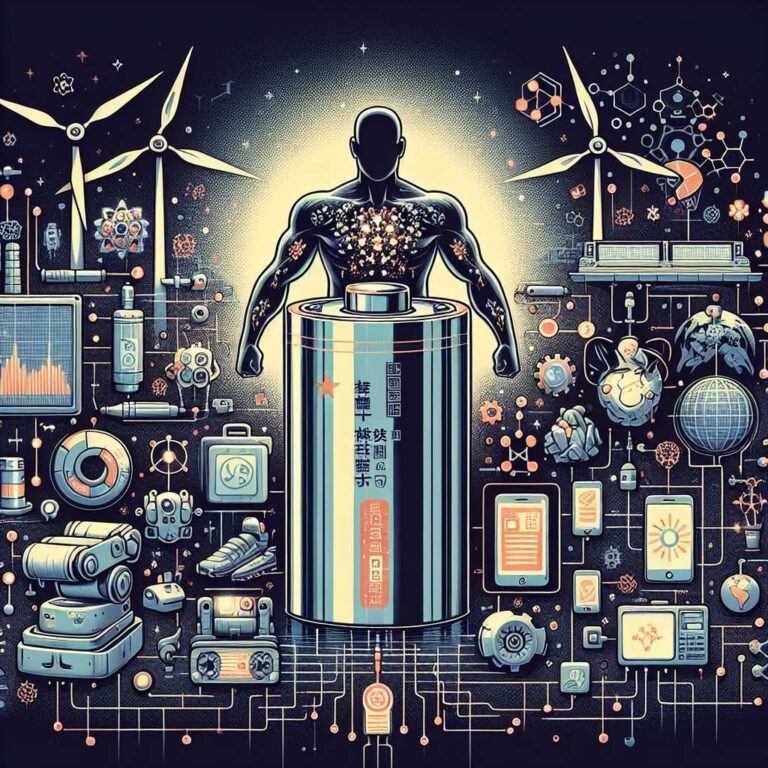
Sodium-ion batteries are starting to find their way into both vehicles and grid-scale applications, as the industry looks beyond traditional lithium-ion technology. For decades, lithium-ion batteries have powered phones, laptops, and electric vehicles, but concerns over lithium’s limited supply and volatile price are driving interest in more resilient options. Sodium-ion batteries function in a similar way by storing and releasing energy through ion movement between two electrodes, but they rely on sodium, which is cheap and widely available compared with lithium, a relatively rare element mined in only a few countries.
This potential shift in battery chemistry is significant enough that sodium-ion batteries were selected as one of MIT Technology Review’s 10 Breakthrough Technologies this year, highlighting their growing strategic importance for the future of energy storage. Their promise lies not just in cost and resource abundance but also in helping diversify supply chains that are currently concentrated around lithium extraction and processing. As grid-scale storage and electric vehicle adoption expand, the ability to deploy batteries based on more plentiful materials could help stabilize prices, broaden access, and reduce geopolitical risk across the energy sector.
The newsletter also turns to the technology mood in China, as reported from CES, the Consumer Electronics Show, where Chinese companies arrived in force. At this year’s CES, described as the world’s biggest tech show that takes place every January, Chinese exhibitors presented a wide array of products from artificial intelligence gadgets and consumer appliances to robots. The overall tone among these firms was notably optimistic, with many seeing opportunity despite global tensions and economic headwinds, and the event offered a rare moment when a US-based China tech reporter could meet much of their beat without the usual long-haul flights.
Another featured story examines an unusual clinical trial by Unlimited Bio, a company developing gene therapies aimed at muscle growth, erectile dysfunction, and what it calls “radical longevity.” At some point this month, a small group of volunteers will be injected with experimental gene therapies that the company describes as potential longevity treatments. These volunteers are paying their own travel and treatment costs and will receive multiple injections in their arms and legs, with one therapy intended to increase blood supply to muscles and another to support muscle growth, with the aim of improving strength, endurance, and recovery. The company ultimately plans similar therapies for the scalp to address baldness and for the penis to tackle erectile dysfunction, although some experts caution that the trial is too small to produce results that will be particularly informative.
Beyond these main features, the newsletter curates notable technology stories, from Apple working with Google to give Siri an artificial intelligence overhaul, to debates over using Elon Musk’s Starlink to counter internet blackouts, and concerns about the Pentagon adopting Musk’s Grok artificial intelligence chatbot amid controversies over non-consensual deepfakes. It also highlights the environmental fallout of powering artificial intelligence, with rapid wind energy expansion in Taiwan disrupting coastal communities, and notes ongoing questions about whether robots are anywhere close to a “ChatGPT moment.” A final section explores how diffusion-based artificial intelligence models are transforming creative fields, especially music, and raising complex questions about authorship and originality as machine-generated outputs become harder to distinguish from human work.