The United States’ efforts to revive domestic manufacturing jobs face a significant hurdle: a persistent and growing skills gap. Peter Koerte, chief technology officer and chief strategy officer at Siemens AG, highlights stark statistics showing that U.S. manufacturing worker tenure has sharply declined, plummeting from an average of 20 years in 2019 to only 3 years in 2023, according to industry research. This turnover means workers are entering the field with far less experience, a challenge compounded by declining interest in factory jobs and the complex demands of modern operations.
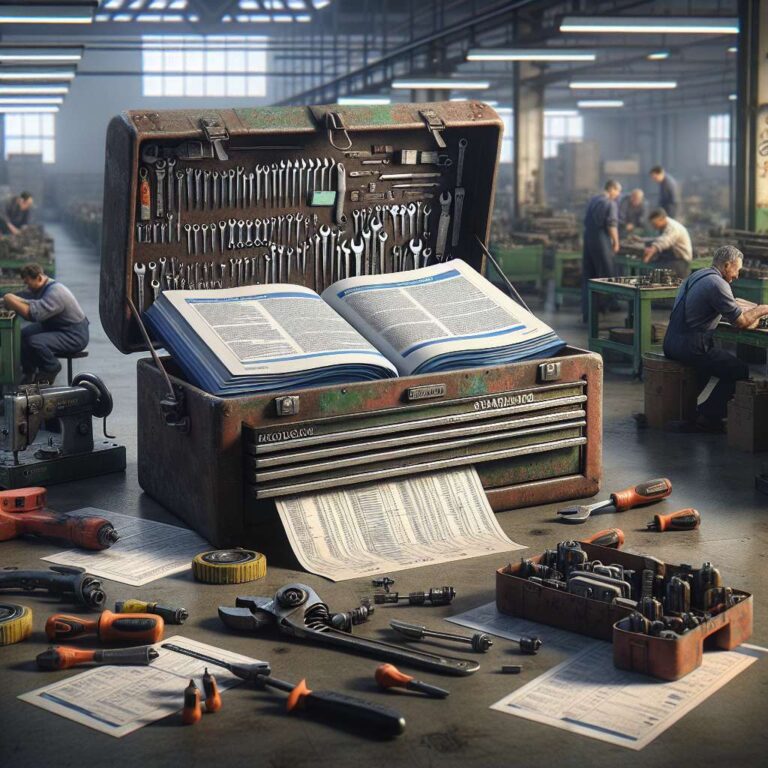
In response, Siemens has developed and deployed industrial-focused artificial intelligence solutions designed to narrow this expertise gap. The company piloted an AI copilot system in 2024, focused on enabling engineering teams to search technical manuals using natural language to resolve issues directly on the production floor. Expanded this year into a dedicated foundational model for industrial scenarios, Siemens’ artificial intelligence tools empower even inexperienced workers: for example, employees can input machine details and error codes to receive step-by-step troubleshooting instructions, minimizing downtime and democratizing technical know-how that once required decades of experience.
Throughout its 178-year history, Siemens has repeatedly reinvented itself to adapt to seismic changes in technology and industry. Today, the company employs over 1,500 artificial intelligence experts, has partnered with major players like Nvidia, Amazon Web Services, Microsoft, and leading European and Chinese AI firms, and encourages software productivity advances through tools like GitHub Copilot. Siemens developers have adopted artificial intelligence across 460 distinct production use cases—excluding the over 15,000 custom bots created by employees via the SiemensGPT secure system. While the quantifiable productivity gains remain under review, Siemens aspires to double its typical productivity target range—hoping artificial intelligence will boost annual improvements from 3-4% to as much as 8% across its global business.
Koerte contends that the industries—and nations—with the greatest skills gaps will harvest the most benefit from artificial intelligence integration. He notes that Siemens’ artificial intelligence diagnostic tools for radiologists have seen strongest uptake in regions lacking deep specialist expertise. Ultimately, Koerte argues, necessity will drive change, and the sweeping adoption of artificial intelligence in manufacturing could reshape job requirements, workflows, and the workforce itself. As U.S. policy continues to chase an industrial renaissance, Siemens’ approach hints at how digital tools may be essential in bridging the growing chasm between available skills and the demands of advanced manufacturing.