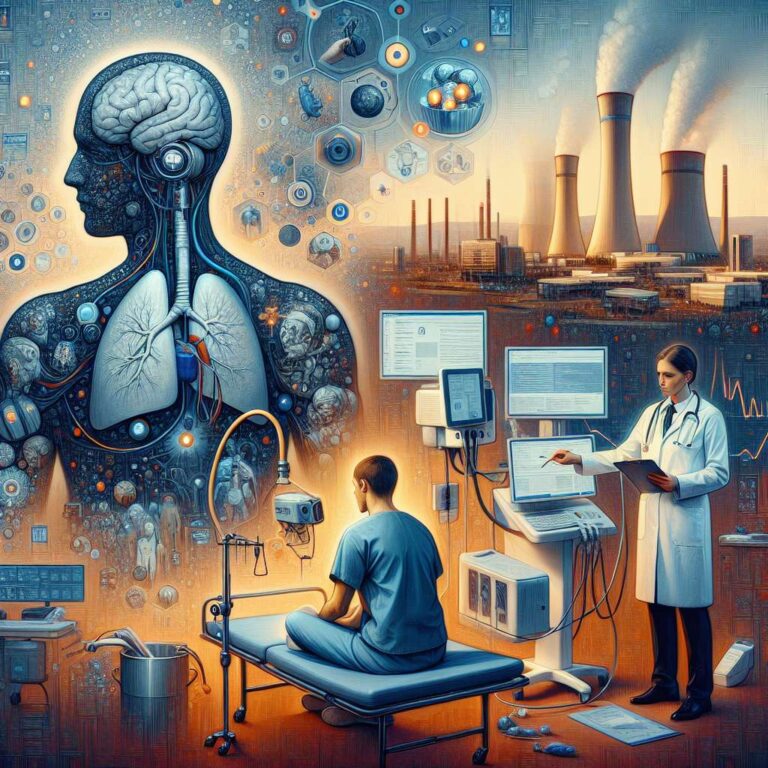
Patients at a small number of clinics in Southern California operated by Akido Labs are spending little or no time with doctors and instead interact with a medical assistant who has limited clinical training. The cognitive work of formulating diagnoses and treatment plans is handled by a large language model-based system called ScopeAI, which transcribes and analyzes the dialogue between patient and assistant. A doctor then approves or corrects ScopeAI’s recommendations. Akido’s CEO says this workflow allows doctors to see four to five times as many patients as before, but outside experts expressed skepticism that displacing so much medical cognitive work onto Artificial Intelligence is the right answer to the doctor shortage.
In energy news, eni, one of the world’s largest oil and gas companies, agreed to purchase electricity from Commonwealth Fusion Systems’ first commercial fusion power plant, planned for Virginia. The facility is still in the planning stages and is scheduled to come online in the early 2030s. The announced deal underscores the amount of investment and commercial interest fusion companies are courting as they attempt to move fusion power from the lab to the grid. The monetary value of eni’s purchase was not stated.
The newsletter also collected a series of short must-reads and features. Highlights include reports that Trump officials are expected to link Tylenol to autism and to promote leucovorin as a potential treatment, despite a large study last year finding no connection; proposed changes to H-1B visa fees that could charge skilled foreign workers a figure that was not stated and might harm the tech sector; the European Commission’s move to remove cookie consent banners; reported interest from the Murdochs and Michael Dell in buying TikTok shares; China’s plan to put sprawling AI data centers to work in Wuhu; challenges facing Seattle’s tech scene amid mass layoffs; investigations into romance-scam compounds that coerce people into scamming; slow progress on Europe’s reusable rocket ambitions; mixed results for using ChatGPT as a stock picker; and a trend of some Silicon Valley elites abandoning dating apps for elite matchmakers. A longer feature asks what it would take to grow plants on Mars, recounting how the planet lost its magnetic field and much of its atmosphere and questioning whether agriculture could ever be reestablished there.