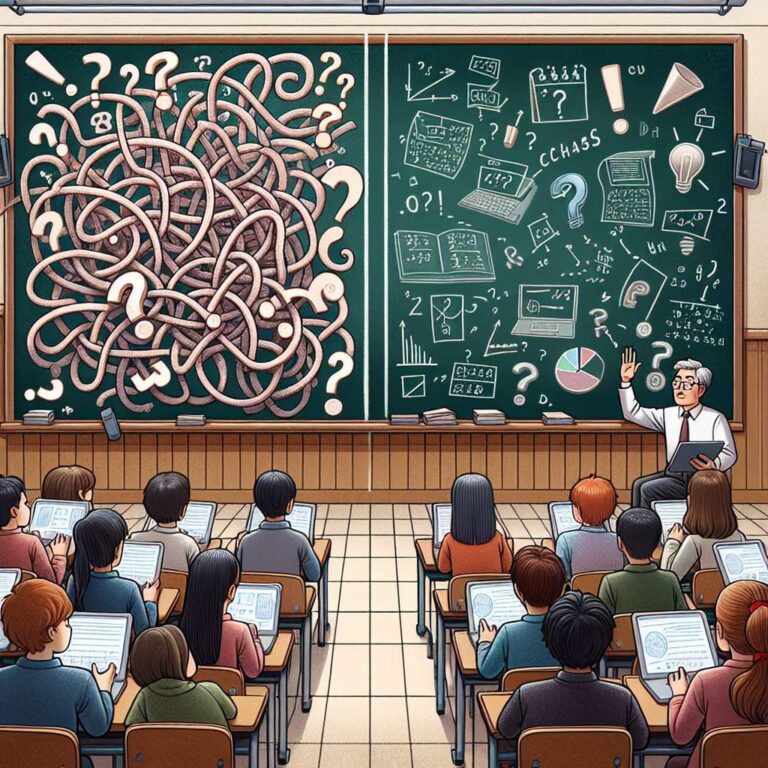
In Hillsborough County, Florida, educators are proactively addressing the rapid expansion of artificial intelligence technology in schools by working to develop new policies and guidelines for its use in the classroom. Mark Mansour, lead teacher at Clearwater High School’s Career Academy for International Culture and Commerce, has fully embraced artificial intelligence as essential to current education, emphasizing that it is part of the present, not just the future. He incorporates artificial intelligence into his lessons to help students learn both its capabilities and ethical considerations, believing that students must be taught to use these tools responsibly. Mansour encourages open discussions around ethics, aiming to excite students about the technology while ensuring they use it to help themselves, not hinder their learning.
Artificial intelligence is also beginning to appear in elementary classrooms, where teachers like Consuelo Blake have started introducing technology and coding concepts to young students. Teachers report that artificial intelligence can streamline their workload by helping draft higher-order thinking questions and customizing lesson plans for individual students. However, the integration of artificial intelligence varies by teacher and is often dictated by the subject matter, as district leaders have yet to establish uniform policies for its usage.
School administrators acknowledge both the potential and the risks of bringing artificial intelligence into the education system. Hillsborough County Superintendent Van Ayres noted that the district has formed a dedicated committee and board tasked with keeping pace with technological advancements and formulating strategies to address them. Administrators are especially cautious about the risk of students using artificial intelligence for dishonest purposes, such as cheating or plagiarism. This concern is driving the urgency for school districts to design clear, thoughtful policies on artificial intelligence. As the technology continues to evolve, both educators and administrators agree that finding ways to harness it as an instructional tool is essential, emphasizing that artificial intelligence is here to stay and must be integrated thoughtfully into modern education.