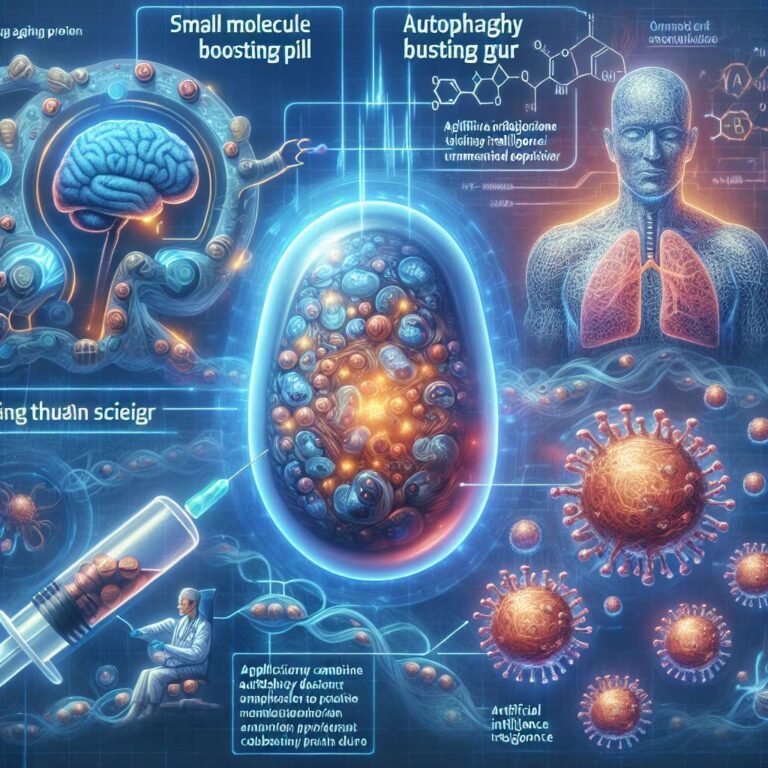
Retro Biosciences, a longevity startup backed by OpenAI chief executive Sam Altman, is preparing to launch its first human clinical trial by the end of 2025 for an experimental small molecule pill called RTR242. The company was founded in 2021 with an initial 180 million investment from Altman and is led by chief executive Joe Betts-LaCroix, a scientist and entrepreneur who previously helped build what was described as the world’s smallest computer. Retro’s overarching ambition is to decouple aging from decline and disease by developing therapies that reset key aspects of human biology to a more youthful state and add 10 extra, healthy years to human lifespan.
RTR242 is intended to treat Alzheimer’s by reviving autophagy, the cellular recycling process that is activated by fasting and is widely believed to have broad antiaging effects. Betts-LaCroix described how “old, misfolded, mutated, broken, undigestible proteins inside cells” accumulate over time as “the normal cellular recycling system gets messed up.” The pill is designed to clear “gunk in the cells” associated with Alzheimer’s and Parkinson’s and, if effective, could restart stalled autophagy pathways and clean up damage “especially in the brain cells.” In contrast to newer Alzheimer’s drugs such as Eisai’s Leqembi and Eli Lilly’s Kisunla, which slow cognitive decline by flushing out amyloid plaques, Retro is focused on therapeutics that aim to reverse aspects of aging rather than simply slow them.
The company is in “hardcore preclinical mode” and has chosen Australia for its Phase 1 safety trial because it is faster and easier to initiate such studies there, with a trial site and lab vendors already selected and first participant enrollment expected toward the end of the year. Retro is also advancing two other major programs: RTR890, a treatment for blood diseases like leukemia that would generate fresh blood stem cells from a patient’s own cells, and RTR888, a stem cell derived therapy targeting diseases of the central nervous system. To fund large scale clinical development, Retro aims to raise 1 billion in a Series A round, which would place it closer to rivals like Jeff Bezos backed Altos Labs, reported to have raised more than 3 billion from prominent tech investors. While some in the field, such as Gero founder Peter Fedichev, question whether a 10 year gain in healthy lifespan can be achieved through lifestyle alone, Betts-LaCroix argues that “curing cancer would add about three years to life expectancy, and curing heart disease about four,” and that adding 10 healthy years “will be an even greater impact.”
Alongside its drug pipeline, Retro is exploring more radical longevity approaches through a partnership with OpenAI on protein design. In August, OpenAI described a custom “GPT‑4b micro” protein designing Artificial Intelligence model developed with Retro, stating that GPT‑4b micro improved the expression of stem cell reprogramming markers 50-fold compared with natural reprogramming factors. Cellular reprogramming, which seeks to reverse cellular aging and engineer new tissues for older bodies, is seen as one of Silicon Valley’s most ambitious longevity bets. Betts-LaCroix says Retro aims to balance a traditional pharmaceutical strategy, focused on single diseases and acquirable drug programs like RTR242, with bolder attempts to “reset some aspect of our biology back to essentially a younger age.” For now, Retro is moving cautiously with its first clinical trial while keeping options open for more transformative technologies powered by advances in Artificial Intelligence driven protein engineering.