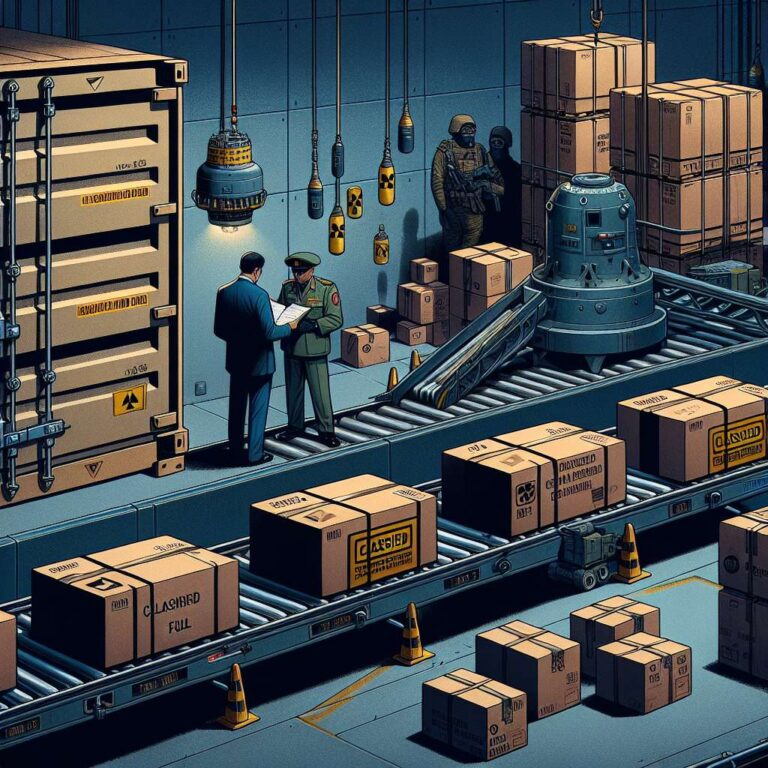
The Pentagon plans to set up secure environments for generative Artificial Intelligence companies to train military-specific versions of their models on classified data. Models like Anthropic’s Claude are already used to answer questions in classified settings, including for analyzing targets in Iran. Allowing those systems to train on and learn from classified data would mark a significant expansion in how these tools are used inside defense workflows.
The change carries distinct security concerns. Embedding sensitive intelligence such as surveillance reports or battlefield assessments into models themselves could create new risks around how classified information is handled, retained, and protected. It would also bring Artificial Intelligence firms closer to classified data than ever before, tightening the relationship between commercial model builders and military intelligence operations.
A separate focus is emerging around nuclear technology, where an approaching wave of new reactors could complicate waste management. Existing approaches to nuclear waste vary widely, from water pools to steel encasement to deep underground burial. New reactor designs and materials could require different engineering responses, and the diversity of systems now being developed points to an equally wide range of potential waste types to manage.
Other developments highlighted alongside those topics include growing attention on military drone production, disputes among major technology companies over cloud and Artificial Intelligence partnerships, and rising scrutiny of how Artificial Intelligence systems are being positioned for defense use. The broader picture is one of rapid technological change colliding with national security priorities, infrastructure constraints, and unresolved policy questions.
The briefing also pointed to concerns beyond defense and energy, including shifting dynamics in the Colombian drug trade as off-the-shelf technologies make uncrewed narco subs more viable. Tools such as Starlink terminals, plug-and-play nautical autopilots, and high-resolution video cameras could enable more cocaine shipments over longer distances while reducing the risk of capture for human smugglers. Law enforcement agencies are only beginning to confront what those changes could mean.