
Paza benchmarks and models target low resource speech recognition

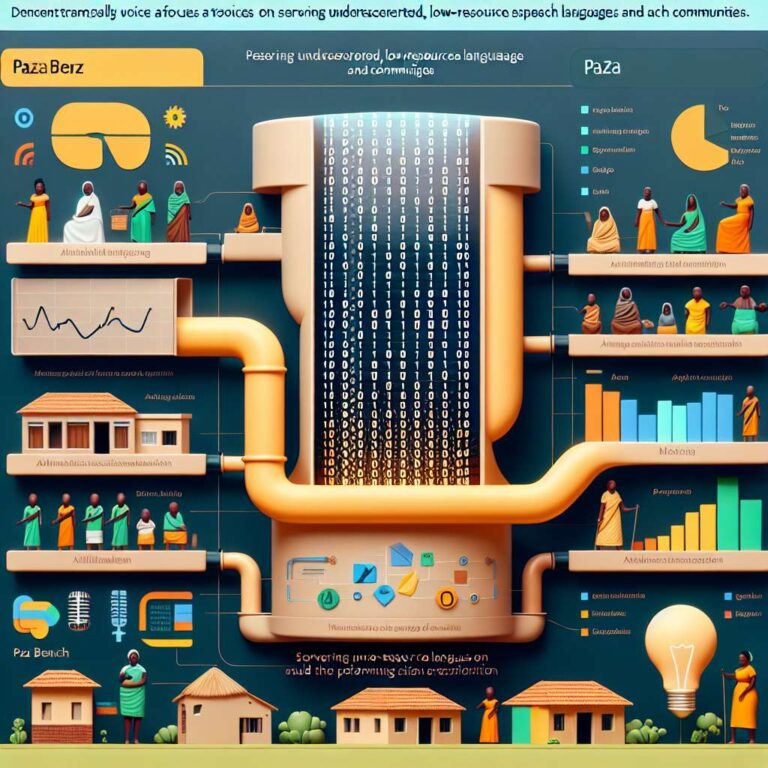
Microsoft Research has introduced Paza, a human-centered speech pipeline, alongside PazaBench, a leaderboard designed for low resource language speech recognition across African languages. The effort aims to benchmark and evaluate diverse models in real community settings.

Microsoft Research has introduced Paza as a human-centered speech pipeline focused on automatic speech recognition for low resource languages. Paza is designed to support speech technology development where data and tools are scarce, with an emphasis on practical usability and alignment with the needs of speakers and communities.

Alongside the pipeline, Microsoft Research is launching PazaBench, described as the first leaderboard dedicated to low-resource languages. PazaBench covers 39 African languages and 52 models and is tested with communities in real settings, providing a structured way to compare performance across a diverse set of languages and systems.

The combination of Paza and PazaBench is positioned to establish common benchmarks for low resource speech recognition and to encourage improvements in model quality for African languages. By grounding evaluations in real-world community testing, the initiative aims to make speech technologies more reliable and inclusive for underrepresented language groups.
58

Impact Score

Google Vids opens free video generation to all Google users

Google has made Google Vids available to anyone with a Google account, adding free access to video generation with its latest models. The move expands Google’s end-to-end video workflow and increases pressure on rivals that charge for similar tools.

Court warns against chatbot legal advice in Heppner case

A federal court found that chats with a publicly available generative Artificial Intelligence tool were not protected by attorney-client privilege or the work-product doctrine. The ruling highlights litigation risks when executives or employees use chatbots for legal guidance without lawyer supervision.

Newsom orders California to weigh Artificial Intelligence harms in contract rules

Gov. Gavin Newsom has signed an executive order directing California agencies to account for potential Artificial Intelligence harms in state contracting while expanding approved use of generative tools across government. The move follows a dispute involving Anthropic and reflects a broader split between California and the Trump administration on Artificial Intelligence oversight.

Contact Us

Got questions? Use the form to contact us.

Contact Form

Clicking next sends a verification code to your email. After verifying, you can enter your message.