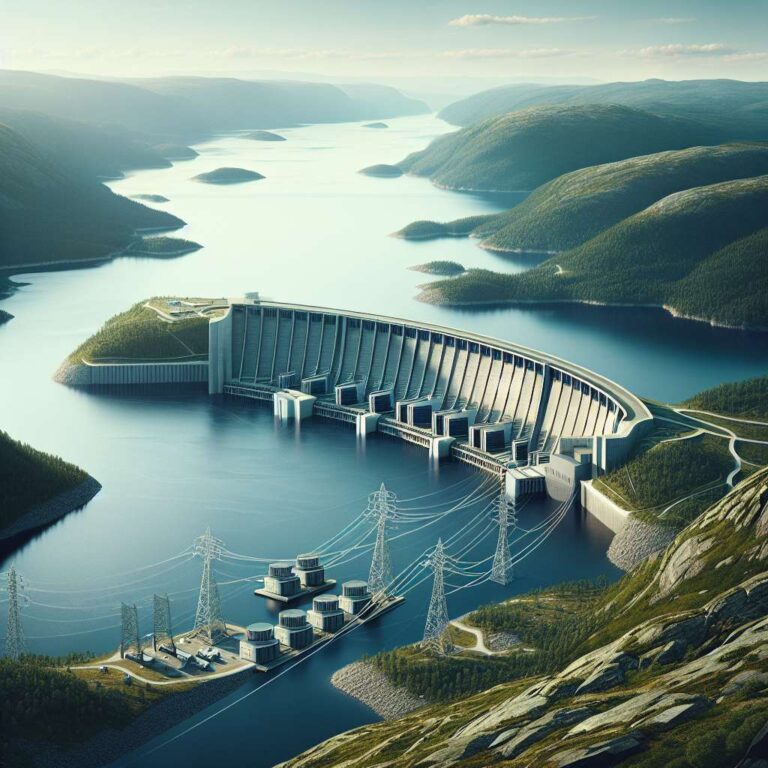
OpenAI´s Stargate Norway is a high‑scale compute project positioned to expand sovereign infrastructure for Artificial Intelligence in Europe. The facility, sited near Kvandal outside narvik in northern Norway, is being developed with strategic backing from nscale global holdings, aker and OpenAI. Initial plans call for 230mw of data centre capacity in phase one, with a planned expansion of an additional 290mw, and the installation of 100,000 nvidia gpus by the end of 2026.
The project is framed as part of OpenAI´s ´OpenAI for Countries´ programme, intended to provide localised compute for researchers, startups and enterprises across the uk, the nordics and northern europe. Technical choices favour efficiency: closed‑loop, direct‑to‑chip liquid cooling aims to cut energy waste; the centre will run on fully renewable power, tapping abundant local hydropower; and waste heat will be reused to support low‑carbon industry in the region. These elements are central to the pitch that the site can combine high performance with a lower carbon footprint.
Operational control and delivery will be led by nscale, with the development executed by nscale and operated through a joint venture with aker, including subsidiary companies following aker´s merger with aker horizons. Josh Payne, ceo of nscale, framed Stargate Norway as ´one of the first european ai gigafactory to market´, highlighting jobs, long‑term regional activity and industrial resilience as intended outcomes. Øyvind Eriksen, president & ceo of aker, positioned the project as a continuation of norway´s strategy of converting clean energy into industrial value.
OpenAI´s ceo, Sam Altman, emphasised the continent‑wide need for more compute and described Stargate Norway as infrastructure that will ´help provide the compute power to drive the next wave of Artificial Intelligence breakthroughs and economic progress for Europe, in Europe.´ The facility is also being positioned to give priority access to local researchers and start‑ups, and to align with national and regional digital strategies while offering surplus capacity to commercial clients across the region.