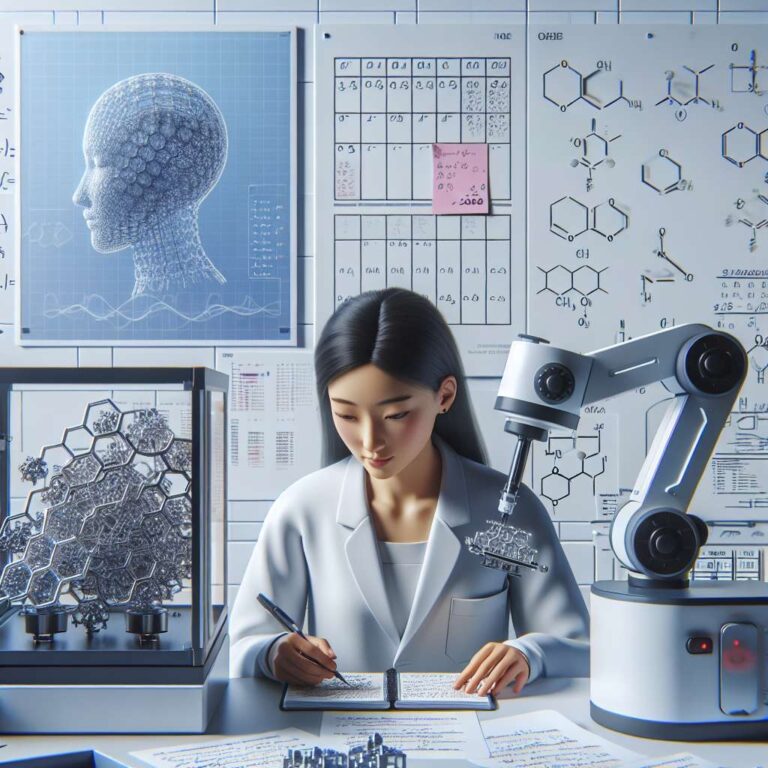
OpenAI has forecast that Artificial Intelligence systems will independently crack complex research problems within the next four years, predicting a shift from augmentation to autonomous discovery by 2028. The lab frames this as a potential paradigm shift that could accelerate innovation across medicine, materials science, climate research and quantum computing. The article situates the prediction against current Artificial Intelligence contributions such as predicting protein structures with AlphaFold, accelerating drug candidate identification, predicting new material properties, improving climate and weather models, automating exoplanet discovery in astronomy and identifying genomic disease markers.
OpenAI defines “solo scientific breakthroughs” as systems that can identify novel research questions, design and execute complete experimental protocols, analyze results and draw original conclusions, formulate new theories or principles and validate findings through additional experimentation. To reach that level, the article argues Artificial Intelligence must develop enhanced reasoning capabilities, cross-domain knowledge integration and practical experimental design and execution. Industry implications outlined include a pharmaceutical industry transformation where drug discovery timelines could shrink from decades to years, the discovery of revolutionary materials by exploring vast chemical spaces, and novel climate and environmental solutions such as innovative carbon capture or renewable optimization ideas that human researchers have not yet conceived.
The article also highlights challenges and considerations, including validation and trust in AI-generated discoveries, ethical questions about ownership and credit, safety risks from unintended harms, widening research disparities between institutions and the evolving role of human scientists. It recommends preparing by investing in Artificial Intelligence literacy for scientific teams, developing hybrid human-AI collaboration frameworks, creating ethical guidelines for autonomous research, building supporting infrastructure and fostering interdisciplinary collaboration. While OpenAI calls the 2028 timeline ambitious, the piece stresses that success could trigger an accelerated cascade of discoveries and that the coming four years will be critical for aligning capability gains with oversight and ethics.