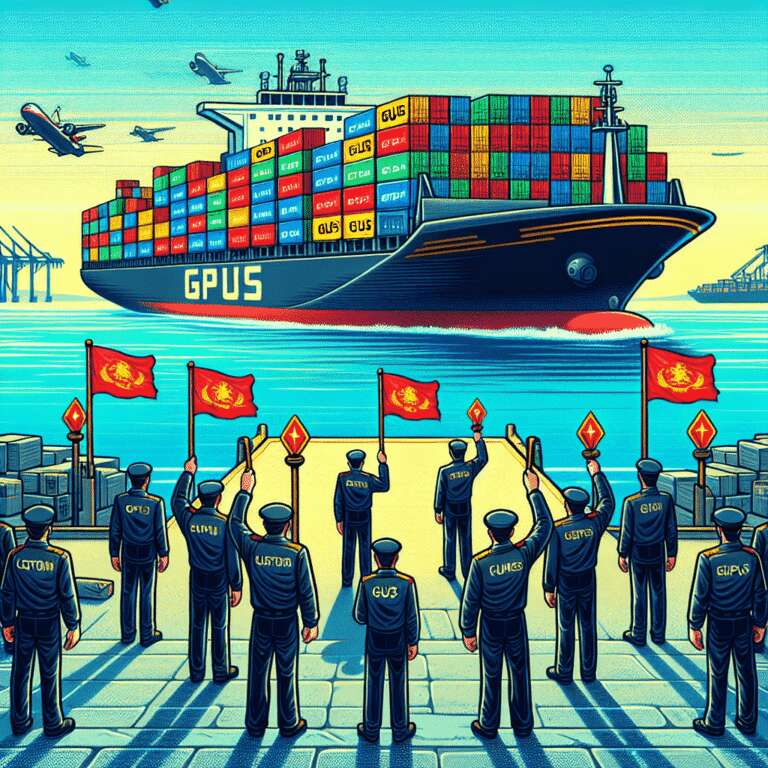
Nvidia CEO Jensen Huang has renewed calls for the U.S. government to amend the previous administration´s export restrictions on advanced Artificial Intelligence processors, arguing such policies are limiting American firms´ ability to compete globally. Speaking at the Hill and Valley Forum, Huang stressed the importance of accelerating the international diffusion of U.S. Artificial Intelligence technology, highlighting how restrictive measures could weaken the nation´s technological leadership. He encouraged lawmakers and business leaders to adapt regulations to reflect the rapid evolution of the global tech landscape since existing rules were implemented.
The Biden administration´s ´Artificial Intelligence Diffusion´ framework currently permits unrestricted access to top-tier GPUs such as Nvidia´s H100 for U.S. and select ´Tier 1´ allied nations. ´Tier 2´ countries face an annual limit of around 50,000 units, with smaller shipments and end-user verification requirements providing some leeway. In contrast, ´Tier 3´ countries under arms embargoes—including China, Russia, and Macau—are effectively barred from purchases. Nvidia has been critical of these controls, asserting they unintentionally bolster rival efforts in countries like China, which are actively developing competing hardware and Artificial Intelligence standards.
Despite Nvidia´s lobbying, the Trump administration is considering even stricter measures. Proposed revisions could scrap the tiered model in favor of a worldwide licensing regime that enables the U.S. to negotiate country-specific export agreements, increasing American leverage in trade talks. One suggested change would reduce the threshold for chip exports without a formal license from 1,700 to 500 units. Former Commerce Secretary Wilbur Ross confirmed that such approaches are under serious review, though final decisions have not yet been made. Nvidia´s global market performance may soon hinge more on diplomatic negotiations than on the technical superiority of its products, with the prospect of pushing some nations toward suppliers like China´s Huawei, which Jensen Huang described as ´right behind us´ in terms of technology.