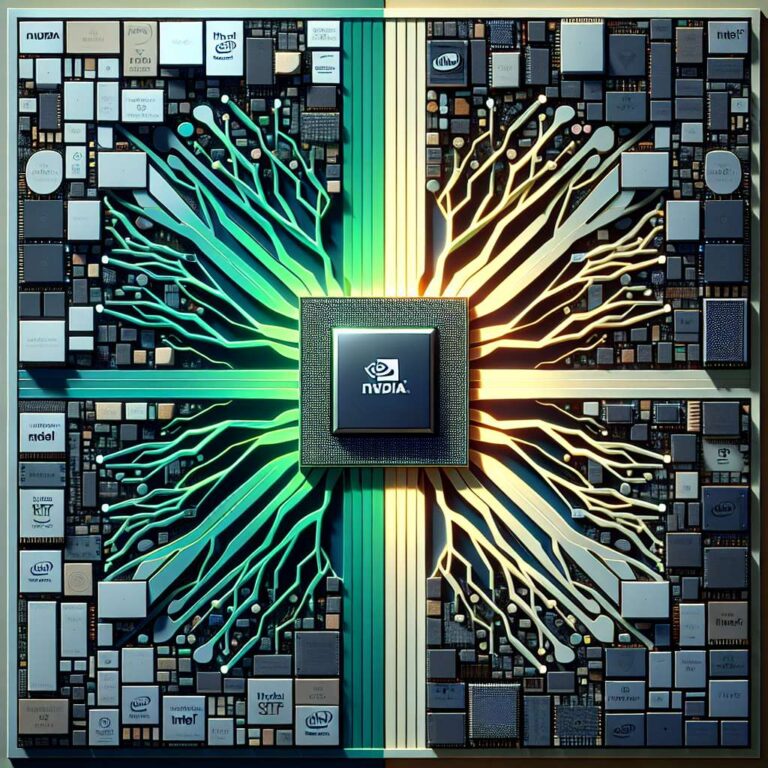
Nvidia is preparing to reenter the consumer PC market through new system-on-a-chip designs that pair MediaTek Arm-based processors with Nvidia graphics hardware, alongside a separate effort involving new x86 chips powered by Intel processors. Dell, Lenovo, and other manufacturers are expected to launch Windows 11 on Arm-based PCs using the Nvidia and MediaTek chips “in the first half of this year,” marking Nvidia’s return to Windows client devices after its role as the Arm-based chip supplier for Windows RT and the original Surface RT tablets in 2012. Those earlier products failed in the market, but the failure was largely attributed to Microsoft’s software strategy and the early maturity of Arm chips for PCs rather than Nvidia’s silicon.
The new Nvidia and MediaTek collaboration aims to deliver Arm-based PCs that are lighter and thinner while maintaining long battery life, targeting the same benefits that Qualcomm is already offering with its Arm-based Snapdragon X series processors. Qualcomm’s current designs have been positioned as more reliable than traditional x86-based PCs using Intel and AMD chips, and the new Nvidia and MediaTek systems are expected to let Windows hardware compete more directly with recent Apple MacBook models. The strategy positions Nvidia as a direct participant in the emerging Arm-based Windows ecosystem, which has become more competitive as battery life, performance, and thermals improve.
In parallel, Nvidia is also working with Intel on a separate track that involves integrating Intel CPUs with Nvidia graphics and Artificial Intelligence technology. The exact role of Intel is not fully clear, but the collaboration appears distinct from the Arm-based MediaTek project and is likely focused on x64 CPUs that incorporate Nvidia graphics to better counter AMD’s integrated graphics approach. Nvidia previously announced that it would invest $5 billion in Intel in September, and part of that deal includes integrating Nvidia RTX graphics with Intel CPUs, which is explicitly described as an x86 design rather than an Arm solution. Given Nvidia’s multiyear work with MediaTek on Arm-based PC designs and the discrete nature of the Intel partnership, the efforts are portrayed as separate chipset families that will begin to clarify as the industry moves further into the first half of 2026 and key events such as MWC draw closer.