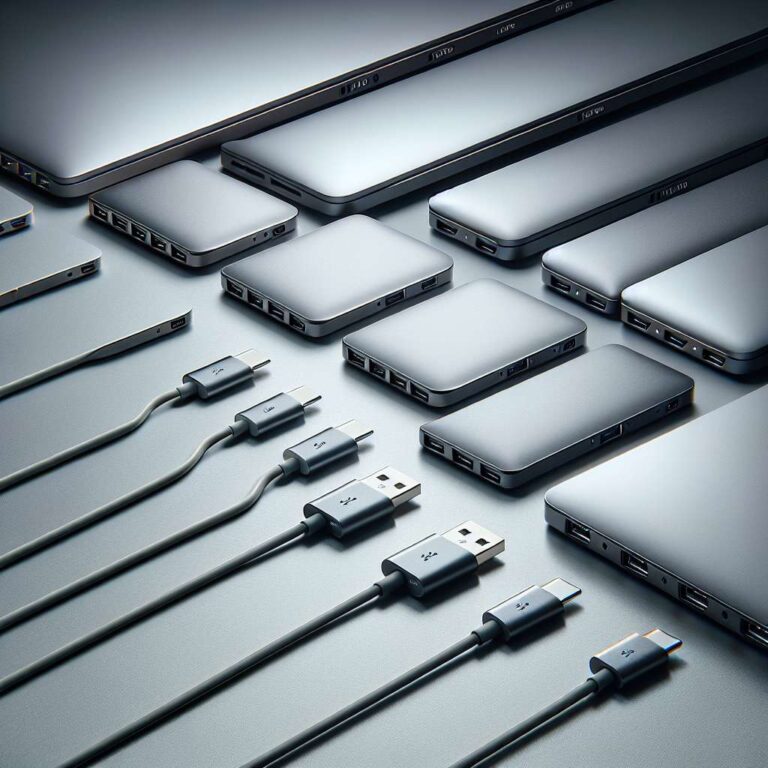
Microsoft has unveiled updated requirements for its Windows Hardware Compatibility Program (WHCP) that set baseline features for USB-C ports on Windows 11 laptops. Under this new initiative, every USB-C port on a WHCP-certified device must support both laptop charging capabilities and at least DisplayPort Alternate Mode for one external display. This move aims to alleviate the pervasive confusion users face when determining which USB-C ports on modern laptops offer which functions, from charging to high-resolution video output.
The enhanced certification stops short of mandating support for USB4 across all devices, a point that will disappoint some users expecting universal adoption of the latest standard. Devices stuck with older USB 3.x implementations continue to miss out on advanced features like PCIe tunneling and Thunderbolt 3, which are intrinsic to USB4. However, Microsoft is making Thunderbolt 3 mandatory for any WHCP laptop that does include USB4 support, closing some gaps in functionality for new high-end devices. Additionally, USB4-equipped WHCP laptops must allow for charging external devices at up to 15 watts and support at least two 4K displays at 60 Hz via DisplayPort Alternate Mode.
The granular approach to certification marks significant progress toward standardizing user experience and reducing the guesswork involved in purchasing a new laptop. Despite these steps forward, the market will continue to see a mix of devices: some fully featured with modern USB-C capabilities and others with more restrictive functionality. Until comprehensive USB4 adoption becomes the norm, Microsoft´s WHCP standards offer consumers crucial, reliable guarantees about what to expect from their next Windows 11 laptop purchase.