More than 60% of European companies now have a dedicated team or lead for Artificial Intelligence, according to a recent Fellowmind study involving 500 organizations across six European countries. The Netherlands is leading this trend, with 64% of companies surveyed having established specialized Artificial Intelligence roles, compared to lower adoption rates in Germany (38%), Sweden (43%), and Poland (50%). The most widely used Artificial Intelligence tools among these companies include chatbots, virtual assistants, and content generators.
The study indicates a significant shift from experimental to permanent integration of Artificial Intelligence in organizational structures, with 65% of surveyed companies setting aside specific budgets for Artificial Intelligence initiatives. Leadership in these organizations demonstrates a strong commitment to Artificial Intelligence, viewing it as a strategic asset for creating value and improving resource efficiency. Larger companies are more likely to have established dedicated Artificial Intelligence teams, while smaller firms often remain in early adoption stages due to resource constraints.
Artificial Intelligence implementation is already generating measurable business outcomes: 42% of adopters report increased productivity, 41% note more efficient processes, and 31% experience greater creativity and innovation. Despite these benefits, around half of European organizations are still in the exploratory phase, investing in training and implementation as groundwork for future deployment. Notably, over half of decision-makers who have not yet applied Artificial Intelligence anticipate doing so within the next three years, underscoring continued momentum in the sector.
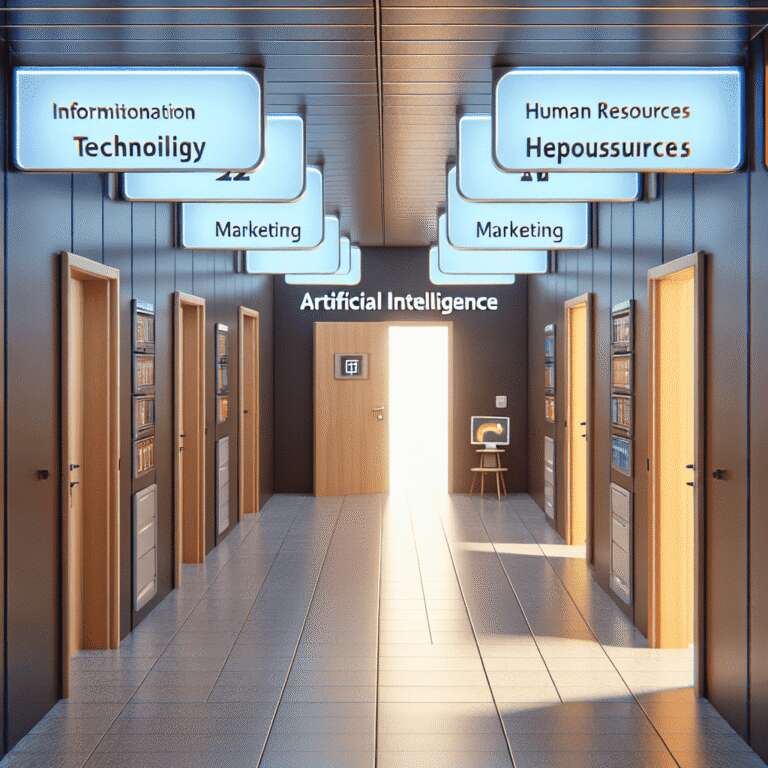
The allocation of dedicated Artificial Intelligence budgets, particularly among larger organizations, is enabling these companies to push forward with both bespoke and third-party Artificial Intelligence solutions. Adoption of Artificial Intelligence is especially prevalent in IT, marketing and communications, and customer service functions, while areas such as human resources, sustainability, and procurement lag behind. Industry-wise, service and technology sectors show the highest uptake, while public, energy, and manufacturing sectors are slower to embrace Artificial Intelligence. The European Union’s ongoing development of the EU Artificial Intelligence Act is shaping the regulatory landscape, reinforcing the long-term integration of Artificial Intelligence as a foundational component of business operations across the continent.