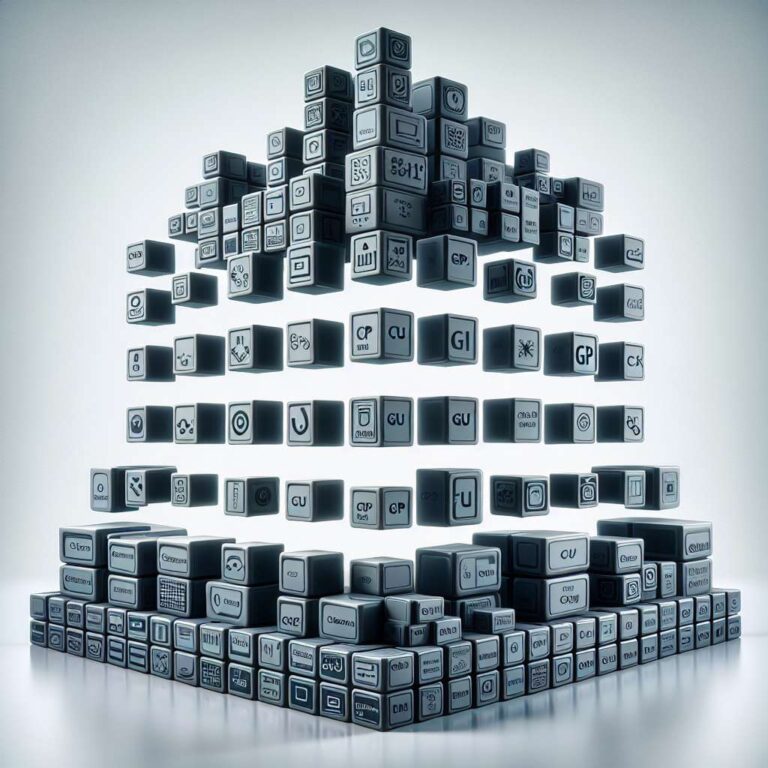
Microsoft is charting a new course for its gaming hardware with the planned rollout of the ´Magnus´ APU, a strategy set to transform the Xbox ecosystem. Instead of a single flagship console, Magnus will underpin an entire range of devices, opening the door for everything from ultra-compact streaming boxes to powerful tower gaming rigs. The heart of this transformation lies in Magnus´s modular architecture, which splits the CPU and GPU into separate dies connected by a high-bandwidth 384-bit fabric. This ´Lego-style´ modularity empowers Microsoft to swap out upgraded CPU or GPU tiles as technology advances, circumventing the need to redesign the motherboard for each new iteration.
Leaks and independent analysis, particularly from Digital Foundry, highlight Microsoft’s intent to shift away from the traditional multi-year console generation cycle. Instead, the company is moving toward more frequent ‘phase’ updates, potentially on an annual basis. This approach is about more than incremental hardware bumps; it’s a concerted effort to keep pace with rapidly evolving performance benchmarks and to introduce a broad array of Xbox-branded hardware into the market at flexible price points. With a focus that extends beyond the living room, Microsoft is chasing new market segments, including streaming devices the size of a palm and full-scale enthusiast gaming towers.
For AMD, which will manufacture and design the Magnus APU, Microsoft’s vision means tapping into an attractive and stable channel far removed from the fluctuations of the traditional DIY PC market. The entire product vertical—handheld consoles, compact boxes, and high-performance towers—could be standardized on variants of the Magnus platform. For portable or handheld formats, Microsoft may integrate reduced-power versions to address thermal management and battery life. For traditional consoles, the full Magnus experience is expected to combine Zen 6 or Zen 6c CPU architecture with advanced UDNA graphics. If executed well, this approach could allow Microsoft to not only redefine the console generation model but also to recapture attention from the broader, integrated PC hardware arena as the company heads toward its next hardware launch cycle.