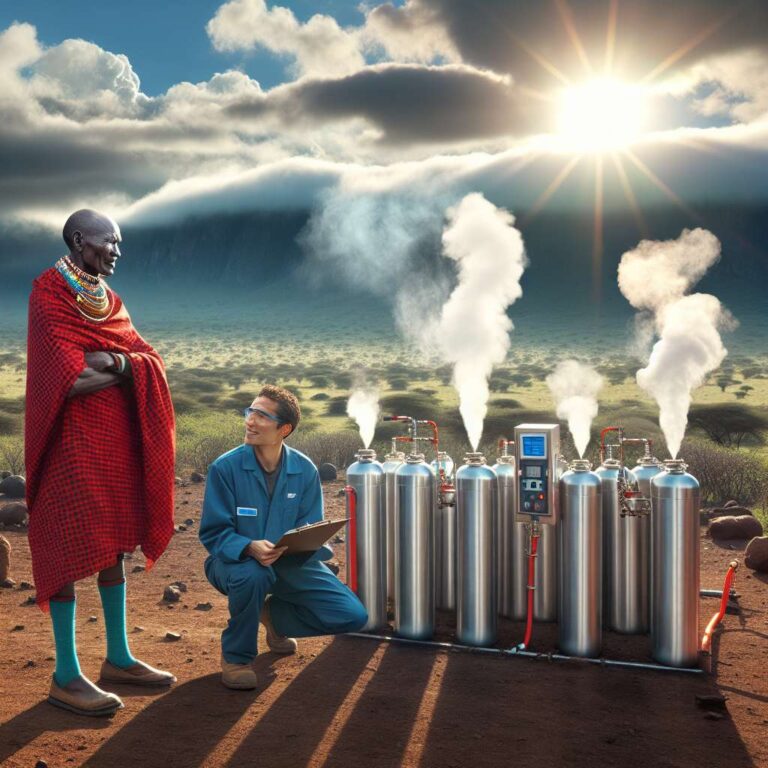
A new carbon removal effort in Kenya is testing whether direct air capture can be scaled affordably by tapping local geothermal resources. Startup Octavia Carbon is running a high-stakes pilot in Gilgil, in south-central Kenya, where it is using excess energy from underground steam to power prototype machines that remove carbon dioxide from the air. The company claims its technology can be efficient, affordable, and scalable, and hopes to prove direct air capture can help prevent global temperatures from rising to more dangerous levels, even as critics point out that the approach is unproven at scale, expensive to operate, and faces justified local distrust among Kenya’s Maasai communities toward energy companies.
The newsletter also highlights how the language of Artificial Intelligence shifted over the past year, reflecting the rapid evolution of the industry and its culture. Over the past 12 months, the Artificial Intelligence hype cycle accelerated, with newcomers like DeepSeek reshaping the competitive landscape and companies such as Meta pivoting from metaverse ambitions toward a more aggressive push on superintelligence. The publication’s writers compiled “Artificial Intelligence Wrapped,” a list of 14 Artificial Intelligence terms that dominated conversation in 2025, including emerging concepts like vibe coding, to help readers decode the jargon that flooded public debate and product marketing.
Looking back on 2025, the outlet underscores how central Artificial Intelligence and adjacent technologies were to its coverage, from computing and climate tech to robotics and biotech. It notes that it published magazine issues on themes such as power, creativity, innovation, bodies, relationships, and security, alongside 14 subscriber-only virtual roundtable discussions and two campus events at MIT, plus hundreds of online articles. The daily “must-reads” section surveys broader tech developments, including US antitrust struggles with big technology firms, disinformation around the US invasion of Venezuela, the growing role of Artificial Intelligence in Israeli military operations, and Alibaba’s PANDA cancer detection tool in China. Other items touch on support communities for people recovering from Artificial Intelligence fueled delusions, new California data deletion rights, Silicon Valley’s appetite for experimental peptide drugs, an Alaska court system Artificial Intelligence assistant bogged down by setbacks, and fresh particle physics research that may challenge the standard model. The edition closes with a feature on aging clocks that reveal hidden biological aging, plus lighter cultural notes on cabbage cuisine, darts gaming, a vibrating knife at CES, and renewed interest in Prince’s music after the Stranger Things finale.