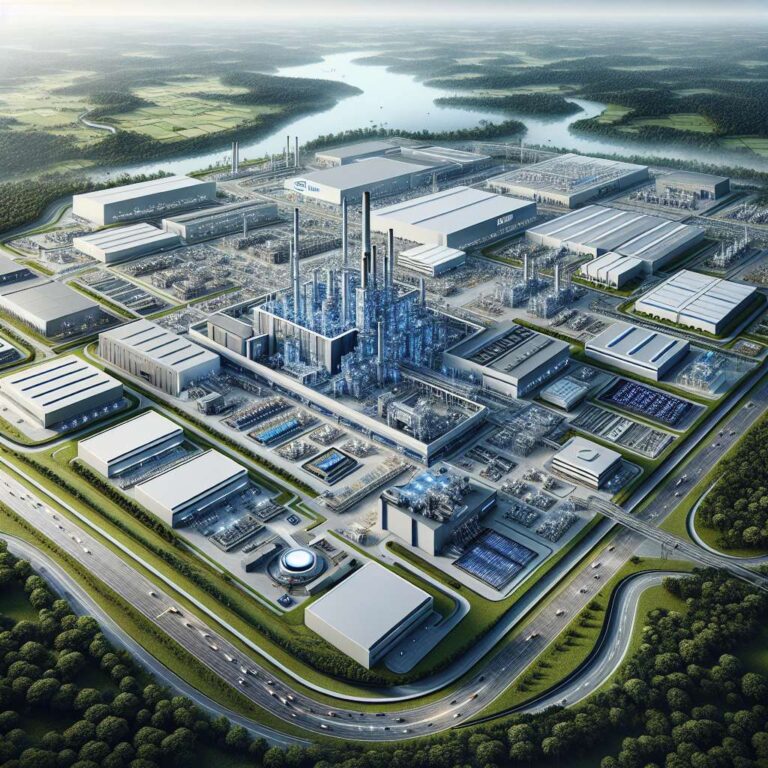
Intel has entered the final phase of its ‘Project Pelican’ advanced packaging complex in Malaysia, with the site reported as 99% finished by Malaysian Prime Minister Anwar Ibrahim. The company will invest an additional $200 million to complete the site and values the project at approximately $7 billion. Intel said the facility is intended to establish Malaysia as a regional hub for its advanced packaging operations.
The new Pelican building is expected to significantly increase packaging throughput and could potentially double the capacity originally planned for Intel’s New Mexico campus. The project completion comes after years of shifting plans and fluctuating demand for high-end packaging, which previously led Intel to scale back some earlier projects. The announcement frames the Malaysia facility as a strategic move to boost production flexibility and regional capacity.
The Malaysia site will be equipped for die sort and die prep operations and will support both EMIB and Foveros packaging flows, enabling Intel to respond more quickly to customer needs. Intel is also expanding its EMIB packaging capabilities by partnering with long-time OSAT partner Amkor. According to earlier reports, Intel has started EMIB assembly at Amkor’s facility in Incheon, South Korea, to manage a surge in orders from large Artificial Intelligence customers. The combination of the Pelican complex and expanded partnerships is positioned as a rapid response to unexpected market demand.