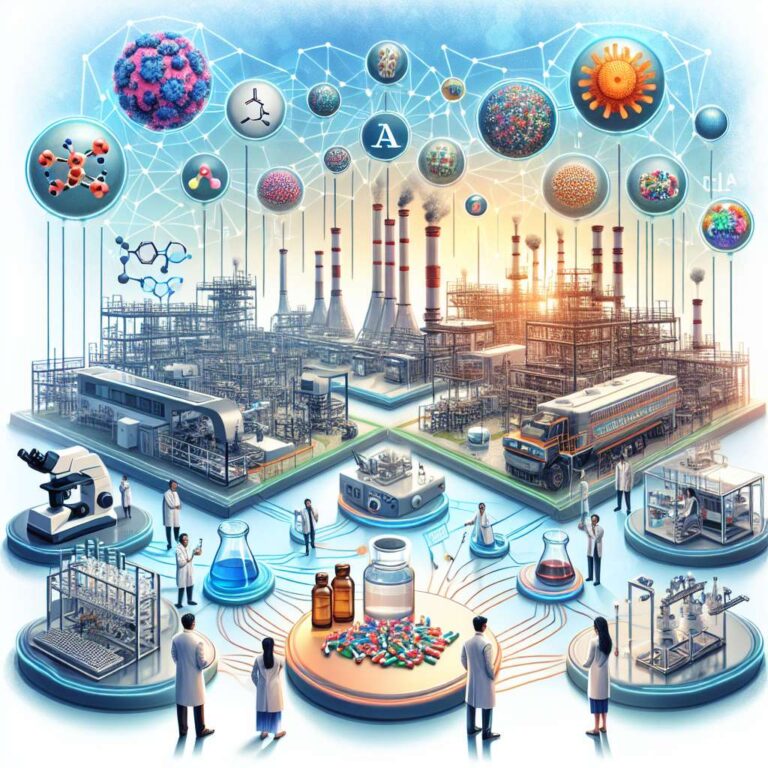
The global pharmaceutical industry is undergoing a major operating model shift from traditional, linear discovery to dynamic, platform-based approaches built around novel drug classes such as biologics, RNA therapies and advanced therapies. These complex pipelines are pushing companies to move beyond isolated discovery and focus on better decision-making, evidence synthesis and reliable execution at scale. Artificial Intelligence is becoming central to complex drug development because it improves navigation of this complexity, supports target identification and strengthens trial planning, while enabling a tighter connection between discovery, development and manufacturing.
Leading pharma organizations are redesigning around platform-driven models that allow multiple assets to be developed simultaneously on reusable scientific and digital foundations. By building these shared platforms, companies can transfer insights from one program to another, reducing portfolio risk and shortening development cycles. Artificial Intelligence is embedded across these models to keep data flowing seamlessly from discovery through development, manufacturing and quality control, underpinning more predictive and efficient life cycle management. At the same time, manufacturing is turning into a strategic lever, with the industry moving away from batch-based, product-specific plants toward modular, platform-style factories that use single-use systems, continuous processing and advanced digital controls to deliver faster scale-up, multi-product flexibility and consistent quality.
This new architecture increases the importance of ecosystem orchestration across biotechs, contract research organizations, regulators and other partners, requiring governance, interoperable systems, shared data and aligned incentives. Many players remain constrained by fragmented data and legacy systems, which raise execution risk and complicate the alignment of Artificial Intelligence ambitions with compliance and data integrity needs. In this context, India’s position as a large-scale manufacturer with regulatory expertise creates a distinct opening. The country can use its strengths in engineering, data science and process excellence to integrate science, digital intelligence and manufacturing into cohesive systems, while recent policy moves support more advanced manufacturing and clinical development and help its contract development and manufacturing organizations and contract research and development organizations evolve from capacity-led growth to technology-enabled execution.
Capturing this opportunity will require India to move beyond isolated investments toward fully integrated biopharma ecosystems. Modular facilities need to be coupled with digital quality systems, and Artificial Intelligence adoption must be anchored in validated, trustworthy data. Collaboration among industry, academia, startups and policymakers must shift from transactional projects to long-term, strategic partnerships that drive innovation and efficiency. The future of pharmaceutical manufacturing will be shaped by those who can weave together science, Artificial Intelligence, manufacturing and collaboration into unified systems that connect discovery to development, data to decisions and innovation to execution. For India, the path to leadership in global biopharma lies in a deliberate transition from volume to value, from stand-alone products to platforms and from scale alone to scale with control, positioning the country as a strategic partner in innovation and research and development.