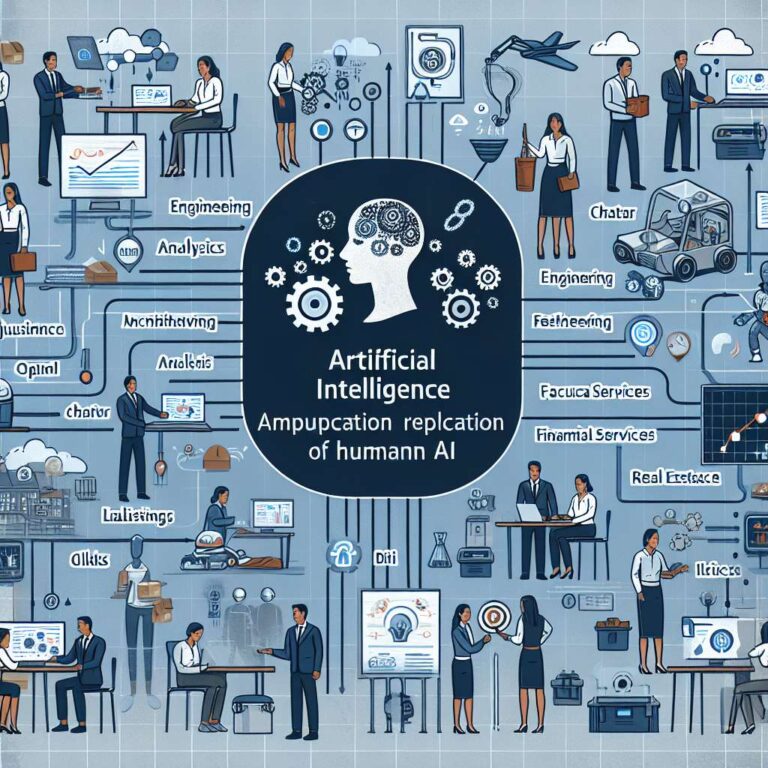
The article explores how integrating artificial intelligence into business operations is shifting from trend to core strategy, with entrepreneurs using it to create smarter systems, improve efficiency, and open new growth opportunities. Across 24 examples, founders describe artificial intelligence as a way to enhance decision making, personalize customer experiences, and raise productivity, rather than as a replacement for human expertise. Many emphasize that artificial intelligence works best as an assistant or collaborator that handles repetitive or data heavy tasks while people focus on nuance, creativity, and judgment.
Several contributors highlight gains in internal efficiency and workflow design. A display technology firm uses artificial intelligence in interactive software to analyze user behavior in real time, personalize experiences, and generate data insights while also automating internal tasks and analytics. Others describe building customized artificial intelligence systems instead of relying only on off the shelf tools, using them to generate first pass drafts, brainstorm ideas, audit social media accounts, and schedule posts. Agencies and consultants report that artificial intelligence driven productivity gives teams more time for strategy, collaboration, and experimentation, which in turn leads to more creative output and faster turnaround for clients.
Operational use cases span engineering, healthcare marketing, legal services, and financial workflows. A software company integrates artificial intelligence throughout its engineering pipeline, from code generation and early issue detection to regression testing at scale, which reduces turnaround times and improves accuracy. A digital services firm uses artificial intelligence to automate routine tasks so staff can focus on patient care and higher level marketing decisions, while a mortgage professional relies on artificial intelligence to detect missing loan file items, cross reference bank and tax data, and power internal knowledge tools that surface complex guidelines on demand. Entrepreneurs also deploy artificial intelligence to manage projects, schedule appointments, generate renderings for homeowners, and monitor capacity or bottlenecks for better scenario planning and decision support.
On the customer facing side, founders are using artificial intelligence to boost service quality, personalization, and conversions. Criminal defense and injury lawyers use artificial intelligence for faster research, document drafting, and case organization, while insisting that legal strategy and arguments remain under human control. A home buying platform applies artificial intelligence to match buyers with mortgage and inspection professionals and to surface market insights. A transport company is rolling out an artificial intelligence chatbot that analyzes historical booking data to deliver real time pricing guidance, and another logistics focused firm uses artificial intelligence to predict demand, optimize routes, and match customers with nearby suppliers. In real estate, artificial intelligence analyzes market data and helps write listings so agents can spend more time with clients, and a call answering solution uses natural sounding artificial intelligence to capture leads and book appointments after hours while escalating complex issues to humans.
Marketing, content, and data uses appear throughout the examples. Brand strategists and content creators lean on artificial intelligence for brainstorming, outlining, transcription, and repurposing across platforms, while still editing and applying their own voice. One company reports that before adopting artificial intelligence, producing a single long read article per week was their limit, and now they can easily create two or three because they no longer type everything manually. Another founder notes that for one campaign, the artificial intelligence generated content reduced bounce rate by 27 percent by making complex topics clearer on the first read. Insurance, group transportation, and truck parking businesses use artificial intelligence to analyze pricing disparities, forecast demand from geographic and behavioral data, and scale support without large overhead increases, giving small and midsize businesses more transparent costs and more confidence in their decisions.
Several entrepreneurs stress change management and mindset as artificial intelligence reshapes roles. Leaders describe artificial intelligence as a quiet but reliable layer that handles first pass checks, quality control, and internal analysis so teams can focus on nuanced work. Some invest time in helping staff build confidence with these tools so they feel supported rather than threatened. The common theme is that artificial intelligence, when implemented thoughtfully, amplifies expertise, speeds up routine work, and makes both customer interactions and internal decisions more informed, without removing the need for human oversight, strategy, and relationship building.