
Google Gemini photo video: animating your stills

Google Gemini's photo-to-video features let users turn static images into short animated clips, lowering the barrier to video creation with intuitive Artificial Intelligence tools. The capabilities include localized motion, montage generation from multiple photos, and simulated camera moves.

Google’s Gemini is expanding its multimodal toolkit with new photo-to-video capabilities that aim to democratize video creation. The article describes the update as an effort to put sophisticated animation tools into the hands of everyday creators, letting users convert still images into short, dynamic clips without specialized software or a steep learning curve. The piece frames this as part of Google’s larger push to remain a frontrunner in generative Artificial Intelligence and to blur the line between photography and videography.

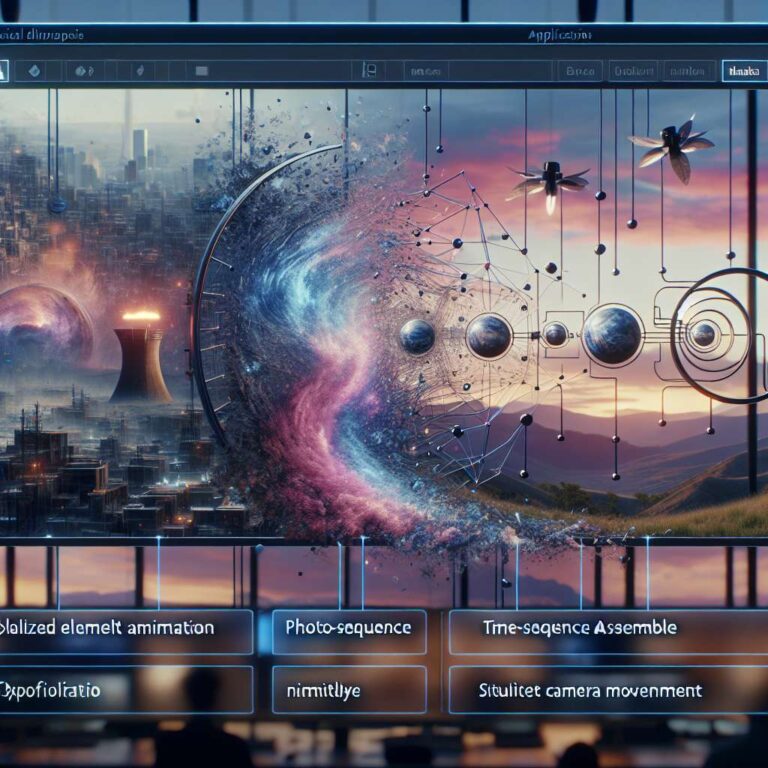
The functionality centers on three distinct approaches. First, users can animate a single still image by adding subtle, localized motion such as hair blowing, water ripples, or smoke, bringing specific elements to life. Second, Gemini can assemble short, cohesive video clips from a series of related photographs to produce mini-montages, smooth transitions, or time-lapse effects without manual interpolation. Third, the tool can simulate dynamic camera movements like pans, zooms, and tilts over a static scene to add cinematic flair. According to the announcement linked in the article, these features are designed to be user-friendly and require minimal technical expertise, making them accessible to a broad audience.

The article situates Google’s update in a competitive landscape alongside companies such as RunwayML, Pika Labs, and OpenAI’s Sora, noting that integrating these tools into Gemini leverages Google’s ecosystem and user base. It highlights practical benefits for small businesses, marketers, and social creators who can produce engaging visual content without hiring videographers. At the same time, the piece raises ethical concerns about misinformation and deepfakes, and calls for safeguards including watermarking and content provenance to ensure responsible use. The author concludes that Gemini’s photo-to-video features reinforce the role of Artificial Intelligence as a co-creator that augments human creativity rather than replacing it.
50

Impact Score

European Union delays key Artificial Intelligence Act obligations

European Union lawmakers have agreed to revise the Artificial Intelligence Act, delaying major high-risk compliance obligations and easing some overlapping requirements. The changes give businesses more time to prepare while preserving the law’s core framework for high-risk systems and transparency rules.

HMRC signs £175m Quantexa deal for fraud detection

HM Revenue and Customs has signed a £175 million, 10-year agreement with Quantexa to unify fragmented data and strengthen fraud detection. The deployment is designed to automate routine work while keeping decisions transparent, auditable and subject to human approval.

Us supercomputers test new Artificial Intelligence chip suppliers

Sandia National Laboratories is evaluating chips from Israeli startup NextSilicon as major chipmakers shift their roadmaps toward Artificial Intelligence. The move reflects growing concern that mainstream processors are deprioritizing the scientific computing features government labs still need.

EU Artificial Intelligence Act amendments delay some deadlines and add new bans

A provisional Digital Omnibus on Artificial Intelligence would push back several EU Artificial Intelligence Act deadlines, refine how the law interacts with sector rules, and introduce new prohibited practices. The package also expands limited bias-testing allowances and strengthens centralized oversight for some high-impact systems.

Qwen 3.5 raises concerns about censorship embedded in model weights

A technical analysis of Alibaba Cloud’s Qwen 3.5 points to political censorship circuits embedded directly in the model’s learned weights. The findings highlight operational, compliance, and product risks for startups building on third-party Artificial Intelligence models.

Contact Us

Got questions? Use the form to contact us.

Contact Form

Clicking next sends a verification code to your email. After verifying, you can enter your message.