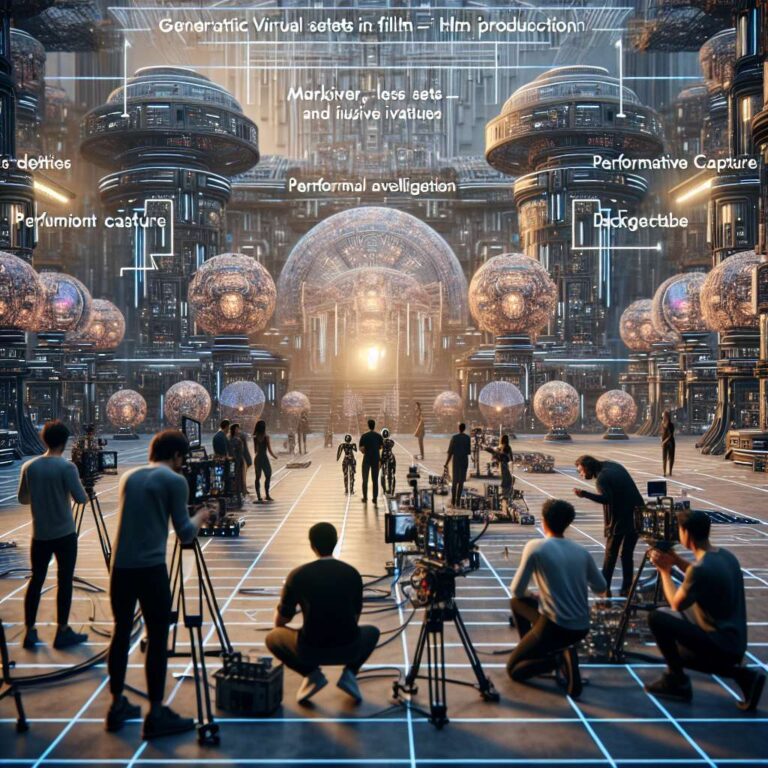
Forthcoming biopic Killing Satoshi, directed by Doug Liman and announced in 2025, focuses on Bitcoin’s anonymous creator and features Casey Affleck and Pete Davidson, with production reportedly integrating generative artificial intelligence into multiple stages of the workflow. A UK casting notice cited by Variety stated that producers may “change, add to, take from, translate, reformat or reprocess” actor work using generative artificial intelligence or machine learning, while specifying that no digital replicas of performers would be created. The film will reportedly rely on a marker-less performative capture stage, where artificial intelligence generated backgrounds and locations stand in for traditional practical sets.
This setup allows production design to be compressed and scenes to be iterated quickly, replacing some on-set physical locations with artificial intelligence generated environments that aim to lower set construction costs while raising questions about visual authenticity and intellectual property for synthetic spaces. Marker-less capture is presented as a way to record nuanced performer movement with minimal gear, enabling more agile shooting schedules and new pipelines for performance-driven computer generated synthesis. At the same time, tools that can change or reformat recorded performances introduce expanded post-production possibilities while provoking debates about performer consent, attribution and the scope of contractual rights over altered work.
The project illustrates broader industry shifts as film and television production explore generative systems that can reduce dependence on physical sets, alter budgeting models and accelerate iterative scene refinement, potentially disrupting established production roles. Visual effects and virtual production vendors are positioned to supply artificial intelligence driven environment generation and real-time compositing that blur boundaries between previsualization and final imagery. Talent representation and labor organizations are becoming central to negotiations over digital reprocessing, likeness usage and residuals for artificial intelligence manipulated performances, as studios test generative tools that promise new creative flexibility while intensifying scrutiny of creative control and labor protections.