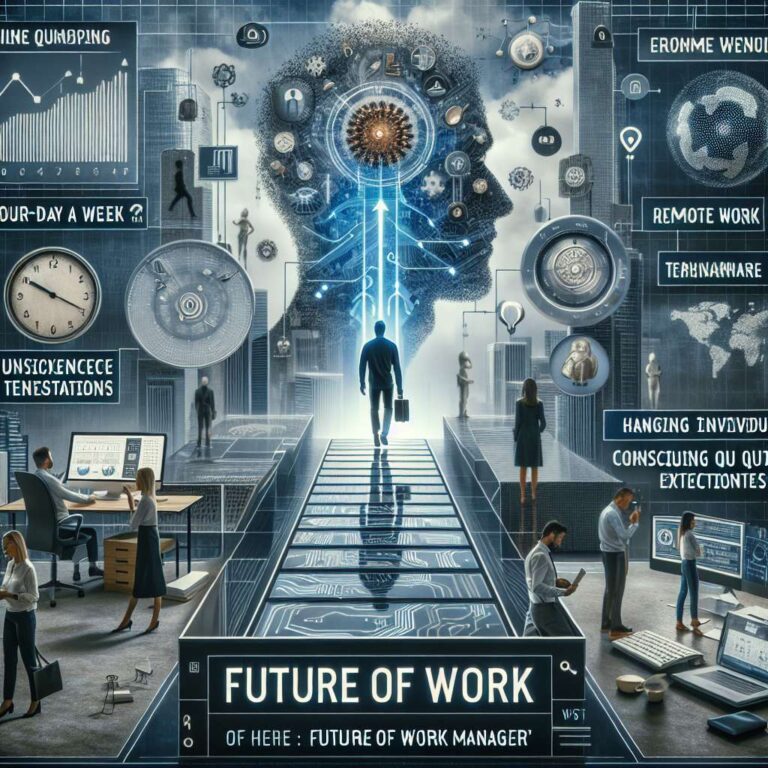
Fortune’s future of work section presents a cross section of how workplaces are changing, with coverage that spans Artificial Intelligence disruption, remote and hybrid work battles, generational tensions, and broader labor market shifts. The hub mixes on the ground reporting, executive interviews, and commentary to examine how technology, economic pressures, and worker expectations are redefining jobs and management. The stories are organized as part of Fortune’s leadership and success coverage, highlighting how these changes are playing out at large corporations, in politics, and in workers’ daily lives.
The section features repeated scrutiny of the four day work week and alternative work models, with pieces on billionaire Mets owner Steve Cohen declaring that “a four day workweek is coming,” analysis of France piloting a 4 day work week for divorced parents, and case studies such as the first company in Turkey adopting a 4 day work week, which led to an 85% rise in work life balance and employee engagement. There is also reporting on return to office tensions, including Wall Street hubs like New York City and Miami with cubicles over 80% full, executives like Amazon CEO Andy Jassy who are not yet convinced by a shortened workweek, and research that shows Friday is increasingly just another office day as four day weekends from home recede.
Artificial Intelligence threads through many of the headlines as both a catalyst and a source of anxiety. Articles explore how leaders are setting a “dead by 2030” deadline for embracing Artificial Intelligence at scale, why business leaders are failing their workers on Artificial Intelligence guidance, and how Wharton and other experts warn that Artificial Intelligence adoption is not an easy way to cut jobs because the key factor is how much work is involved in doing it. There is newsletter coverage of Vimeo launching new Artificial Intelligence video tools to help employees handle hours long town halls and training videos, and separate reporting on technology executives like Bill Gates and JPMorgan CEO Jamie Dimon debating whether Artificial Intelligence will doom or help humanity and insisting that no one will be able to escape its impact. Alongside these themes, the section tracks generational dynamics, from Gen Z “conscious quitting” and resistance to traditional 9 to 5 jobs to debates over whether young workers are lazy or pushing employers to improve, as well as stories on remote workers trading office returns for housing benefits, meetings as productivity drains, and experiments with roles like a “future of work manager” tasked with redesigning how companies operate.