In March, a fierce blizzard left nearly 10% of Lincoln, Nebraska without power, testing the Lincoln Electric System (LES) and its recently appointed CEO, Emeka Anyanwu. The company, tasked with serving approximately 150,000 customers, scrambled as hurricane-force winds and ice-laden cables snapped utility poles and knocked out circuits. While Anyanwu monitored from headquarters, field crews braved dangerous conditions to restore service, exemplifying the intense physical and operational challenges utilities now routinely face.
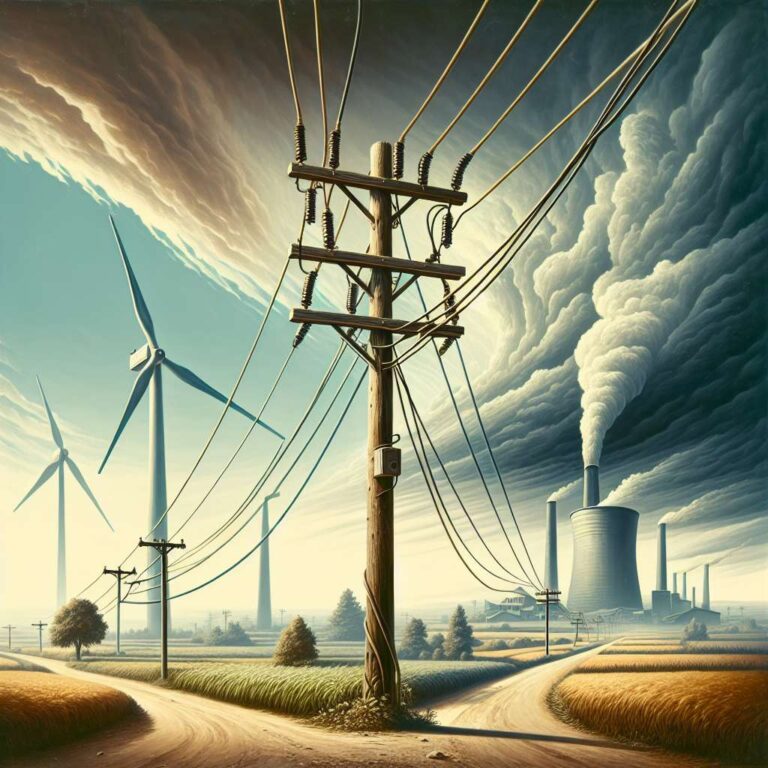
This storm, however, is merely a harbinger of broader disruptions facing the power sector. Utilities today must navigate what’s dubbed the ´trilemma´—balancing reliability, affordability, and sustainability—as grid demands climb sharply. Driven by the electrification of vehicles, homes, and kitchens, and surges in energy appetite for data centers powered by Artificial Intelligence, U.S. annual load growth is projected to soar past 3%, a dramatic break from decades of near-flat demand. Concurrently, regulatory and political turbulence compounds uncertainty. While recent policy has turbocharged renewable energy growth and cleantech investment, new federal leadership threatens to reverse course, stoking opposition to solar and wind and fueling regulatory chaos.
LES serves as a microcosm, navigating these headwinds within Nebraska’s unique 100% public power framework. Governed by local boards with explicit public-interest mandates, LES has committed to net-zero carbon emissions by 2040, joining the state’s other major utilities in decarbonization pledges. Yet even as wind turbines now supply 30% of Nebraska’s energy, deep political and cultural divides stoke resistance to renewable projects, particularly in rural areas. LES’s challenge is further complicated by regional transmission organization mandates that demand more reliable capacity during weather extremes, tilting grid economics toward fossil fuels and away from renewables—jeopardizing both cost and climate goals. As Anyanwu steers community discussions on prioritizing reliability, affordability, and sustainability, he exemplifies a collaborative model of leadership defined by stewardship rather than profit. The grid’s transformation, he says, demands technical realism but also community aspiration, positioning utilities as pivotal stewards in a volatile energy transition.