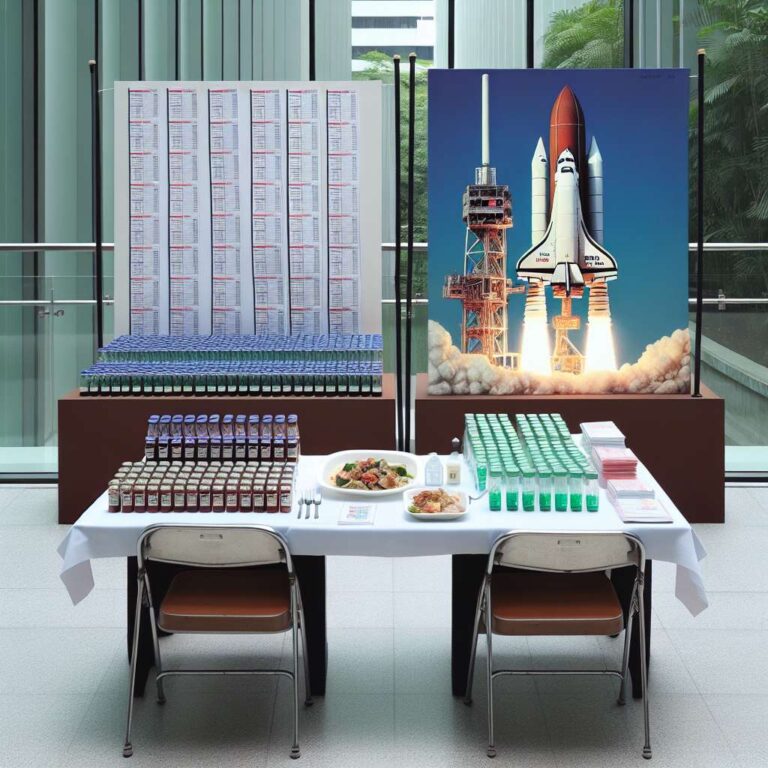
The newsletter opens with a focus on expanded carrier screening, a form of genetic testing offered to would-be parents and to egg and sperm donors to identify hidden mutations that could affect future children. Traditional carrier screening tended to target specific genes within populations already known to be at higher risk for certain inherited conditions. By contrast, expanded carrier screening broadens the scope dramatically, giving people an option to test for a far wider array of diseases and genetic variants before conception or donation. This shift reflects both advances in genetic technology and growing demand from patients and clinicians for more comprehensive reproductive information.
The piece explains that commercial providers have rapidly scaled up the size of their testing panels. One genetics counsellor, Sara Levene of Guided Genetics, told an audience that “the companies offering these screens started out with 100 genes, and now some of them go up to 2,000,” describing the competitive environment as “a bit of an arms race amongst labs.” This expansion raises difficult questions about which conditions should be included, how to interpret increasingly complex results, and whether more information always leads to better decisions for families. The article emphasizes that expanded carrier screening comes with downsides and is not automatically appropriate or necessary for everyone, hinting at ethical, psychological, and practical trade-offs that require careful counselling and informed consent.
The second main story turns to Southeast Asia’s efforts to build a presence in space, illustrated by the Thai Space Expo held inside a major Bangkok shopping mall. Among the flashy space suits and model rockets, the reporter is struck by a modest vacuum-sealed package of Thai basil chicken, the same type of meal that has just been launched to the International Space Station. This detail serves as a symbol of how local culture and cuisine are finding a place in orbital research, and of the region’s growing confidence that it can contribute to global space activity. The article notes that the Southeast Asian space sector is filled with excitement and optimism, even as there is uncertainty about how exactly it will evolve. The newsletter closes with a brief mention of another feature on Taiwan’s so-called “silicon shield,” which rests on its dominance in semiconductor production and more than 90% of the most advanced chips needed for Artificial Intelligence applications, and raises concerns that this protective advantage may now be weakening.