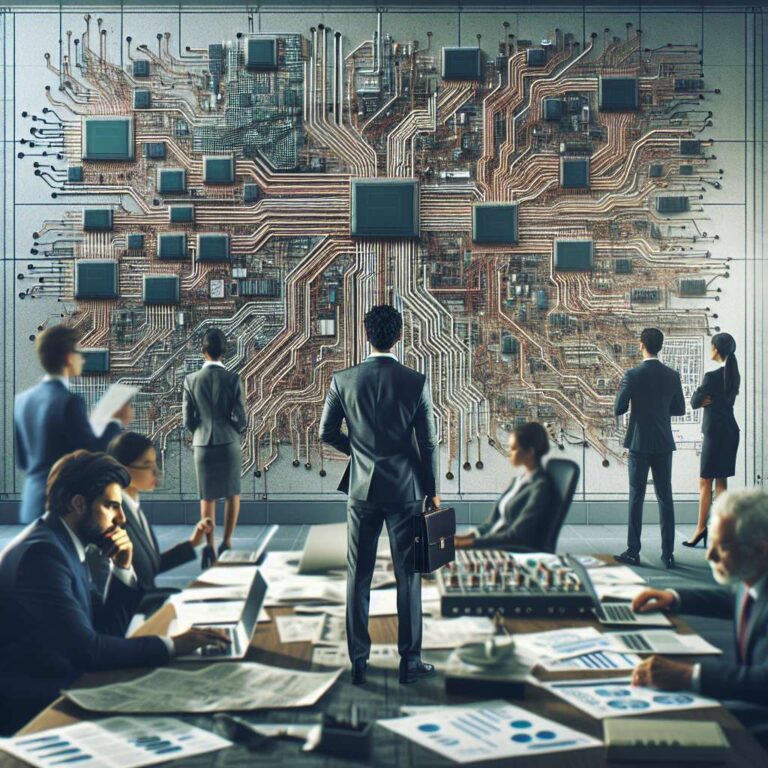
The TechNewsWorld emerging tech section aggregates recent coverage on fast-moving technologies, with a strong emphasis on artificial intelligence, chips, and infrastructure. The page functions as a hub that links out to individual analyses and opinion pieces rather than presenting a single narrative article, giving readers entry points into topics ranging from artificial intelligence browsers and open-source ecosystems to data center power use and robotics tariffs. Each listed story is introduced with a headline, short description, and publication date, reflecting how emerging technologies are reshaping computing, industry, and consumer behavior.
Several entries focus on the growing influence and risks of artificial intelligence across the stack. One item cites Gartner urging organizations to block artificial intelligence browsers, warning that agentic browsing tools can expose sensitive data and undermine enterprise security. Other stories examine how artificial intelligence browsers provide convenience at the price of security, and how corporate real estate artificial intelligence pilots are surging even as measurable ROI remains elusive. Additional coverage explores how Red Hat evolved into an artificial intelligence powerhouse by pairing open-source infrastructure with hybrid cloud, and how Infineon is staking out a role in artificial intelligence infrastructure from robotics and edge devices to megawatt-scale data centers and quantum development.
Chipmakers and platform providers are another major theme in the section. One opinion piece describes how Nvidia’s valuation relies on CUDA while arguing that new compiler technology from Spectral Compute could open the door to broader hardware choice and shift artificial intelligence market dynamics. Another item highlights AMD’s $9.2B quarter and notes that AMD’s $9.2B quarter shows how disciplined leadership-not hype-is letting the company pressure Intel and exploit Nvidia’s power gaps as it reshapes enterprise artificial intelligence strategy. Further analysis explains how AMD is positioning itself as a platform power in the artificial intelligence era by focusing on openness and scale. Complementing this, an opinion article contends that Nvidia leads artificial intelligence today, but open-source challengers and custom chips are rapidly shifting the balance of power in accelerated computing.
Beyond chips and platforms, the section surfaces broader social, economic, and policy implications of emerging technologies. One feature argues that the e-waste crisis will not be solved by better disposal alone and that progress requires designing devices for reuse, repair, and long-term material recovery. Another opinion piece, framed as “the new Hollywood,” describes how generative artificial intelligence tools like OpenAI’s Sora enable cinematic worlds to be created with a prompt instead of a traditional production crew, raising significant questions about labor and ethics. Additional coverage looks at how artificial intelligence workloads are straining an outdated U.S. grid while a report maintains that quenching data center thirst for power is a solvable problem through smarter integration and planning. Other stories note that Washington has been warned tariffs on foreign robotics could derail a hoped-for manufacturing revival, and that artificial intelligence powered tools are already helping consumers save on Christmas shopping by optimizing budgets and generating custom digital art.
Consumer behavior and industry readiness also feature prominently. One report warns retailers to prepare for generative artificial intelligence driven shoppers who use tools as practical shopping aides, guiding decisions about what to buy, which brands to choose, and where to find the best deals. Poll content on the page asks readers whether they believe artificial intelligence generated films and TV will gain mainstream acceptance, reflecting ongoing uncertainty about cultural adoption. Across all of these teasers and links, the emerging tech section portrays a landscape where artificial intelligence, open-source software, specialized chips, and automation are not isolated trends but interconnected forces reshaping markets, infrastructure, and everyday experiences.