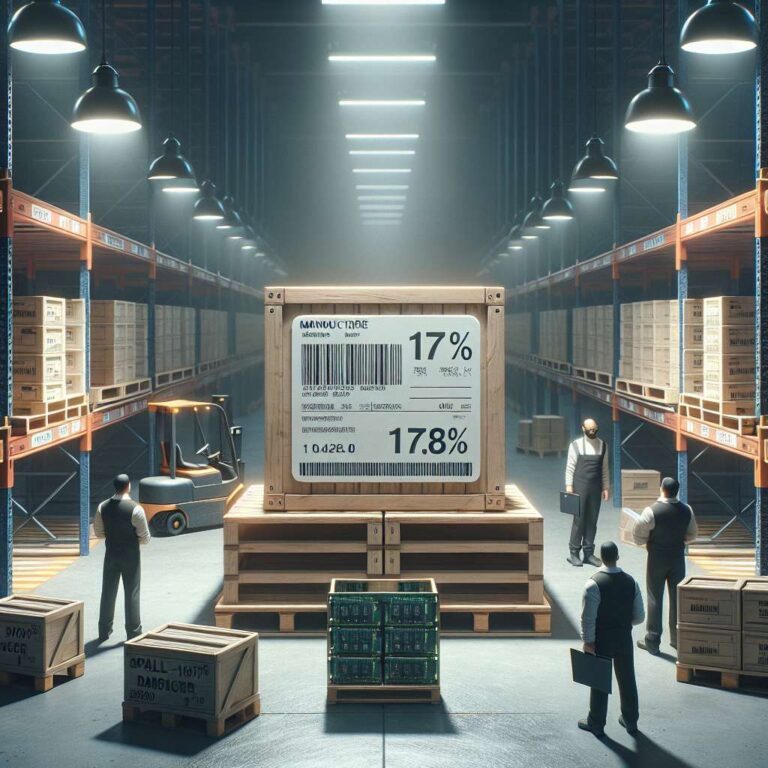
DRAM pricing has swung sharply upward, with a report from CTEE finding a 171.8% year-over-year increase that has pushed memory from a commodity to a scarce, high-value asset. Manufacturers retroactively raised RDIMM prices by 40 to 50 percent in August despite hyperscalers having signed lower-price agreements. The surge is attributed to demand for Artificial Intelligence and broader data center expansion consuming available memory and storage capacity, a trend that is now spilling over to consumer markets such as PC builds.
Supply-side strain is acute among the largest memory suppliers. South Korean manufacturers Samsung and SK Hynix are reportedly fulfilling only 70 percent of orders, which in turn has reduced Tier-1 U.S. and Chinese cloud order books to a roughly 70 percent effective fill rate and eliminated the safety stock many buyers relied on. Module makers including Kingston and ADATA face dramatic cost increases for 16 GB DDR5 chips, with the article noting they are now paying $13 for chips that cost $7 six weeks earlier. That jump is large enough to erase entire gross margins for those suppliers.
The disruption disproportionately affects smaller players. Smaller OEMs and channel distributors have been warned to expect only 35 to 40 percent fulfillment through the first quarter of 2026, a level that will delay planned product rollouts and threaten expected revenue streams. These companies face a stark choice: purchase scarce parts on the spot market at steep markups or pause production and accept idle lines. Meanwhile, end consumers are already seeing memory kit prices spike, reflecting a shortage that industry participants link directly to the voracious memory needs of Artificial Intelligence workloads and ongoing data center buildouts.