
DLSS 5 raises game preservation questions

Concerns are growing that DLSS 5 could complicate how games are preserved and studied over time. Questions about consistency, player experience, and copyright may become more urgent if Artificial Intelligence-driven rendering becomes central to modern games.

NVIDIA’s preview of DLSS 5 in mid-March has triggered sustained debate around the Artificial Intelligence-powered technology. The response has included criticism from some gamers, a dismissive rebuttal from NVIDIA’s CEO, and an official NVIDIA statement that appeared to challenge earlier claims about what the technology can do.

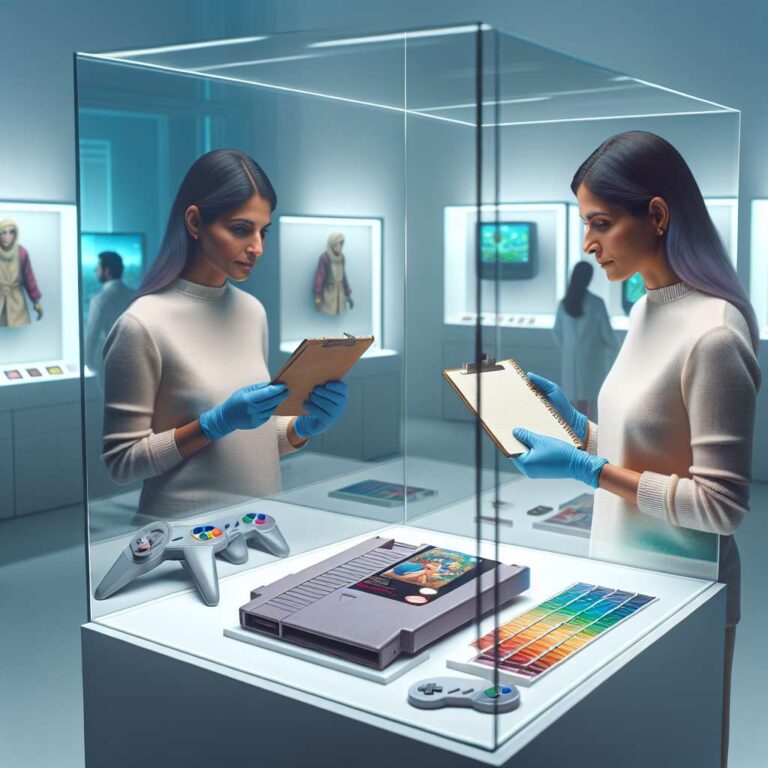
Chloe Appleby, a program curator at Sydney’s Powerhouse Museum, raised concerns about how DLSS 5 could affect repeatability and the recorded state of a game. The issue goes beyond visual enhancement and reaches into how a game is experienced, documented, and revisited by players and researchers over time.

Appleby said, “If these new Artificial Intelligence technologies become essential for making and playing games, it has the potential to not only add another layer of potential copyright complexity but bring into question what version of a game should be preserved.” She also asked, “Do we preserve both DLSS off and on? Is the DLSS 5 version consistent amongst players and if not, what version represents the collective experience?”

The preservation challenge centers on whether a game remains the same work when key parts of its presentation depend on variable Artificial Intelligence systems. If DLSS 5 changes how a title looks or behaves across different players’ experiences, museums, archives, and researchers may face a harder task in deciding what constitutes the definitive version of that game.
55

Impact Score

Study finds widespread weaknesses in autonomous agents

A multi-institution study found that autonomous agents across several sectors are highly exposed to tool-chaining, goal drift, and memory poisoning attacks. The findings suggest agentic systems face broader and deeper security risks than stateless large language models.

Federal safety net unprepared for Artificial Intelligence job losses

Economists are warning that the federal system designed to support displaced workers is not equipped for a wave of job losses tied to Artificial Intelligence. Existing unemployment benefits and retraining programs are widely seen as too limited to manage broad disruption.

Chrome downloads Gemini Nano model locally without clear consent

Google Chrome is reported to download a 4 GB Gemini Nano model onto some PCs automatically when certain Artificial Intelligence features are active. The process happens without clear notice in browser settings and can repeat after the model is deleted.

Contact Us

Got questions? Use the form to contact us.

Contact Form

Clicking next sends a verification code to your email. After verifying, you can enter your message.