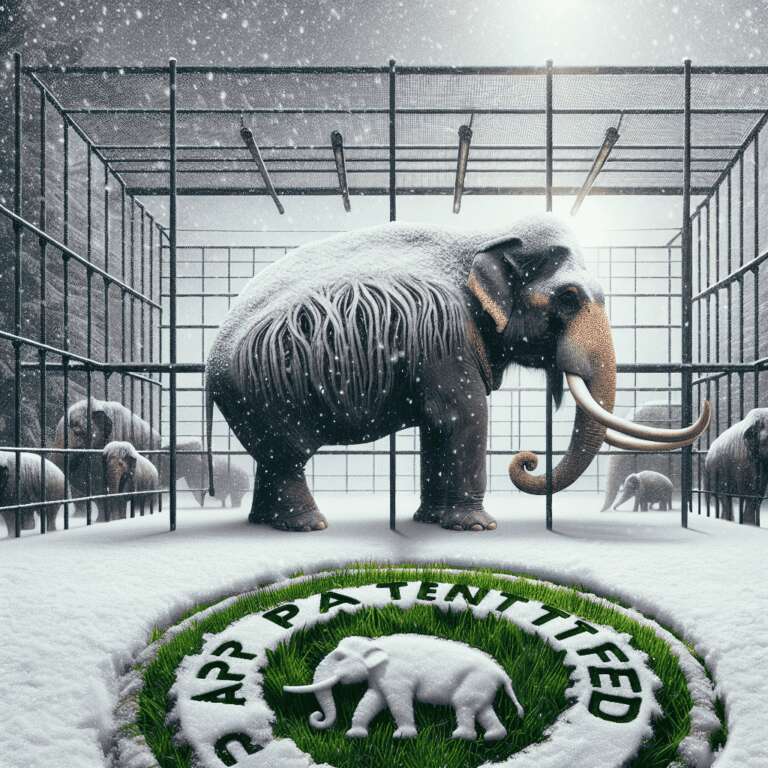
Colossal Biosciences, a Texas-based startup that brands itself as ´the de-extinction company,´ is pursuing a pioneering patent to secure exclusive rights to create and sell gene-edited elephants infused with ancient mammoth DNA. The endeavor, recently revealed by MIT Technology Review, is part of Colossal´s broader strategy to engineer animals reminiscent of extinct species, including the iconic woolly mammoth. The company envisions releasing these mammoth-like herds into nature preserves in Siberia, where their ecological impact could aid in preserving permafrost and potentially generate revenue through carbon credits.
CEO Ben Lamm emphasized that patent protection is intended to maintain control over the deployment of these novel technologies, particularly during the critical early stages of reintroduction into the wild. Colossal also plans similar patent efforts for other engineered species, such as recently announced wolves with dire wolf DNA elements. While the company has secured significant investment and trademarked various animal names and likenesses—ranging from ´Mammouse´ for toys to ´Woolly Mouse´ for apparel—its commercial plans, including revenue models from carbon capture and tourism, remain largely speculative.
The legal move is noteworthy as it pushes the boundaries of intellectual property by seeking ownership not only over biotechnological methods, but also over genetically engineered animals themselves. Patent experts see Colossal´s application as part of a broader trend following landmark U.S. decisions to allow patents on genetically engineered organisms, but the company´s attempt to monopolize de-extinct species raises unprecedented ethical and legal questions. Figures in the field, including both biotechnology ethicists and competing de-extinction organizations like Revive & Restore, voice concern over imposing legal controls on revived wildlife. Despite Colossal´s assurances that their intellectual property claims do not target the ´genetic heritage´ of extinct species, the patent application seeks to cover animals with tailored traits, from increased hairiness to cold tolerance and cognitive abilities, intensifying debates over the morality and legitimacy of patenting life forms.
Industry observers suggest Colossal´s aggressive IP strategy is designed to assure investors amid the uncertainties of de-extinction, creating competitive barriers and establishing a legal framework should their business models mature. However, legal experts predict that many of the patent´s more sweeping claims may be scaled back or rejected during the examination process, leaving open fundamental questions about what, if any, aspects of de-extinct species can—or should—be owned.