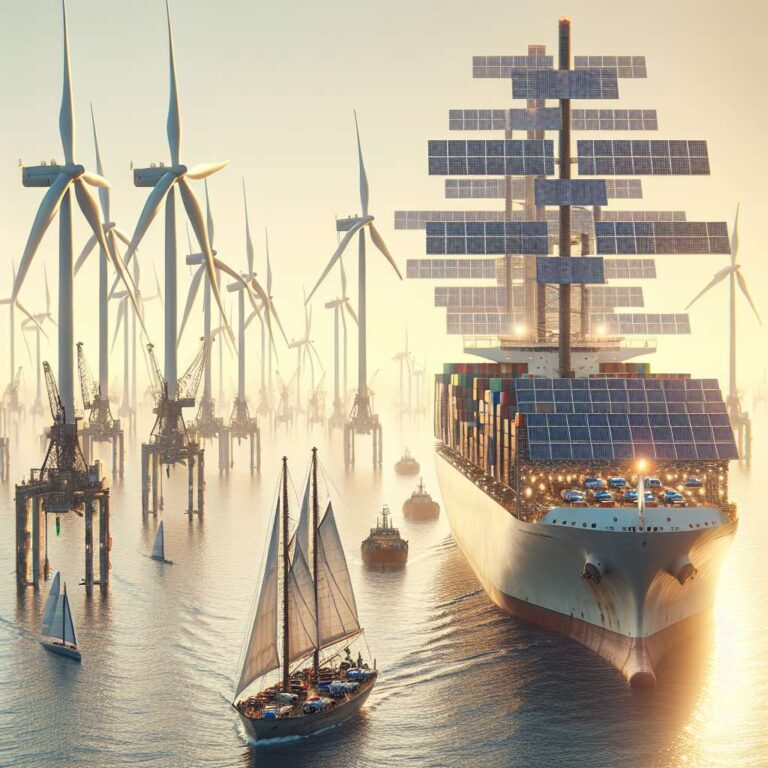
China has asserted itself as the dominant force in next-generation energy technologies, investing heavily in renewable energy, electric vehicles, energy storage, and nuclear power. Hundreds of billions of dollars have been funneled into expanding the country´s wind and solar capacity, with nearly 900 gigawatts of solar installed by the end of 2024. Just between January and May, China added 198 gigawatts—93 in May alone—surpassing the total electricity capacity of many countries. This rapid build-out, meanwhile, stands in stark contrast to the United States, where significant clean energy tax credits and subsidies were recently slashed, potentially curtailing future expansion and jeopardizing the nation´s earlier progress in renewables.
The gap between the two nations is especially pronounced in electric vehicles. China is closing in on a symbolic threshold where half of all new cars sold are electric, having already achieved it for a single month and poised to do so consistently. The nation´s automakers are not only supplying domestic consumers but also exporting aggressively to Europe, India, Brazil, and beyond. By 2024, vehicles built in China constituted over 70% of the world´s electric and plug-in hybrid cars on the road. Industry leaders, including Ford CEO Jim Farley, have openly acknowledged that Chinese firms are well ahead in vehicle technology and pricing—a competitive advantage that, if left unsupported in the US, could have major implications for the automotive sector´s future.
Looking forward, China continues to ramp up investments in renewables, energy storage, grid improvements, and nuclear power, having tripled its expenditure on clean energy since 2015. While the US briefly surged in battery technology investment, recent policy changes threaten to erode this progress and further entrench China´s role as the global hub for battery manufacturing and innovation. Experts like MIT´s David Autor warn that surrendering leadership in advanced manufacturing and critical technologies could have significant economic consequences for the US. Yet, the narrative need not center on a zero-sum rivalry—climate, technology, and economic competitiveness are inextricably linked for both nations. Nevertheless, current data overwhelmingly underline China´s ascendancy in shaping the future of energy.