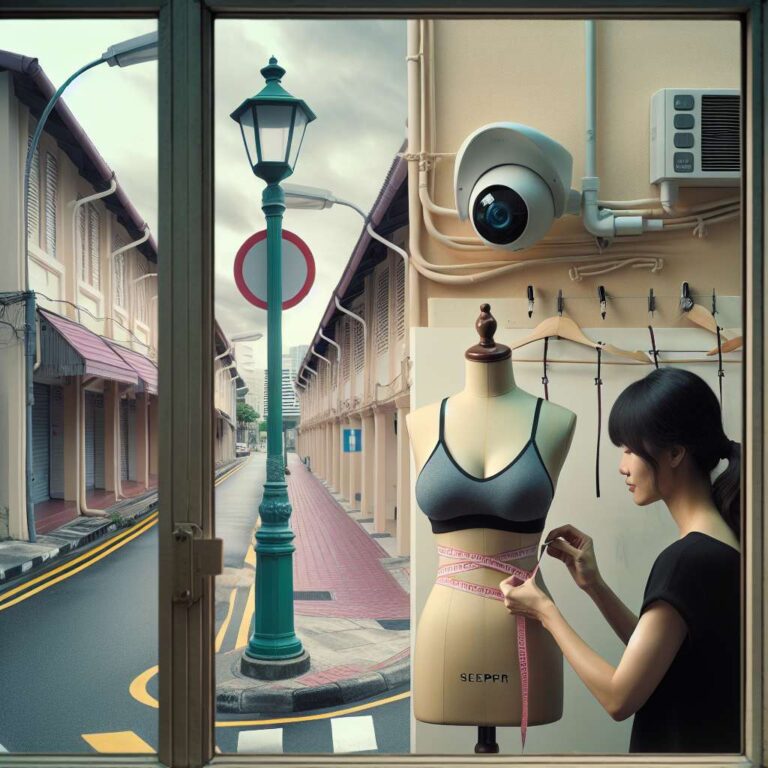
Chicago has tens of thousands of surveillance cameras, with estimates of up to 45,000, placing the city among the highest per capita in the US for video monitoring. The network extends beyond police cameras to include one of the largest license plate reader systems in the country and access to audio and video feeds from agencies such as Chicago Public Schools, the Chicago Park District, and the public transportation system. Law enforcement and security advocates argue that this expansive monitoring system protects public safety and functions effectively across the city’s neighborhoods.
Critics, including activists and many residents, describe the system as a surveillance panopticon that observes people from nearly all directions and at most times. They warn that such pervasive monitoring creates a chilling effect on everyday behavior, discouraging free association and deterring participation in protests or other forms of public expression. Concerns focus on potential violations of privacy and free speech guarantees, as well as the risk that integrated access to private security cameras, such as Ring doorbells and commercial systems, could normalize continuous tracking without meaningful oversight. The debate reflects a broader national struggle to balance public safety with civil liberties in an era of rapidly expanding digital surveillance.
Far from city streets, another kind of technical frontier is emerging in the lab of biomechanics professor Joanna Wakefield-Scurr, whose own persistent breast pain two decades ago revealed the lack of science-backed bra design. After failing to find a well-supported answer from her doctor beyond a suggestion to buy a better bra, she began investigating the mechanics of breast movement and support. She now leads an 18-person team at the Research Group in Breast Health at the University of Portsmouth in the UK, where researchers study how breast tissue behaves during motion and what constitutes effective support for different bodies and activities.
As more women participate in high-impact sports, demand for rigorously tested and properly engineered bras has surged, and Wakefield-Scurr says her lab cannot keep up with requests from brands, athletes, and consumers. The work blends biomechanics, materials science, and ergonomics to understand how to reduce pain, prevent long-term tissue damage, and improve performance and comfort. Together, the expansion of urban surveillance in Chicago and the rise of specialized roles like breast biomechanic highlight how technology and data are reshaping both public spaces and intimate aspects of daily life.