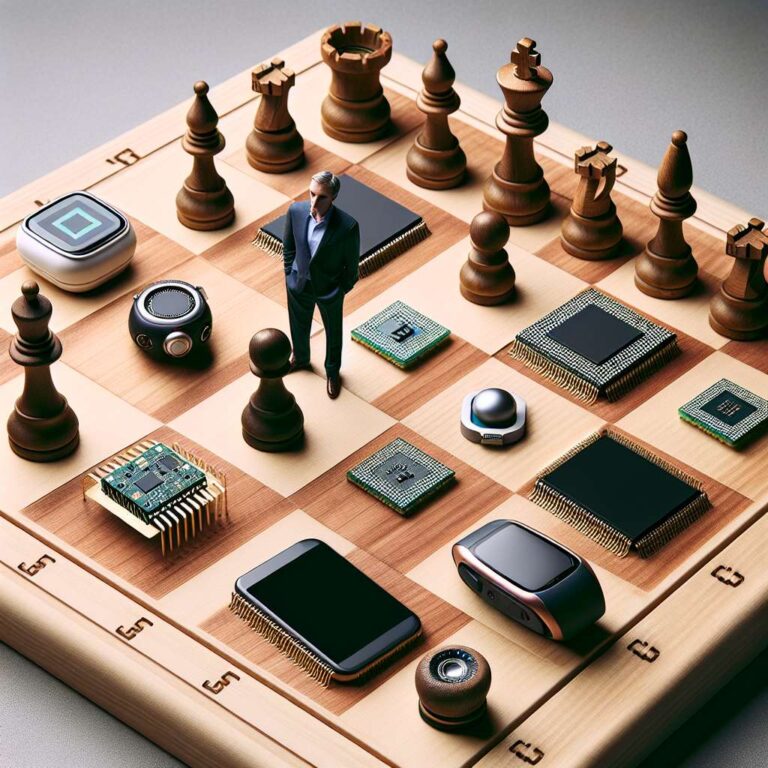
CES 2026 in Las Vegas is presented as a pivotal moment for Artificial Intelligence, as the technology moves from trials and proofs of concept into a new phase centered on consumer products and real-world deployments. The event, which runs from January 6-9, is described as a large-scale showcase with over 4,500 firms using the platform to demonstrate how Artificial Intelligence is being integrated into everyday devices, from wearables to robotics.
The article highlights Samsung’s Brain Health Artificial Intelligence initiative as a flagship example of this transition, using wearables to monitor health as part of a broader trend toward consumer-focused health tools. At the same time, leading chipmakers such as Intel, Qualcomm, and AMD are using CES 2026 to demonstrate advancements in Artificial Intelligence chip performance and capabilities, signaling a competitive race to power the next generation of Artificial Intelligence-enabled hardware. Nvidia is also noted for emphasizing its role in what it calls physical Artificial Intelligence, tying its technology to robots and devices that can interact with the physical world.
Taken together, these demonstrations indicate that Artificial Intelligence at CES 2026 is less about abstract software promises and more about concrete products in health, robotics, and consumer electronics. The article frames this shift as an important signal for investors, who are looking to CES 2026 for insight into how companies will allocate spending across chips, devices, and Artificial Intelligence-driven services in the coming years. The growing commercial focus on Artificial Intelligence hardware and applications suggests a new phase of adoption that could influence broader technology market trends.