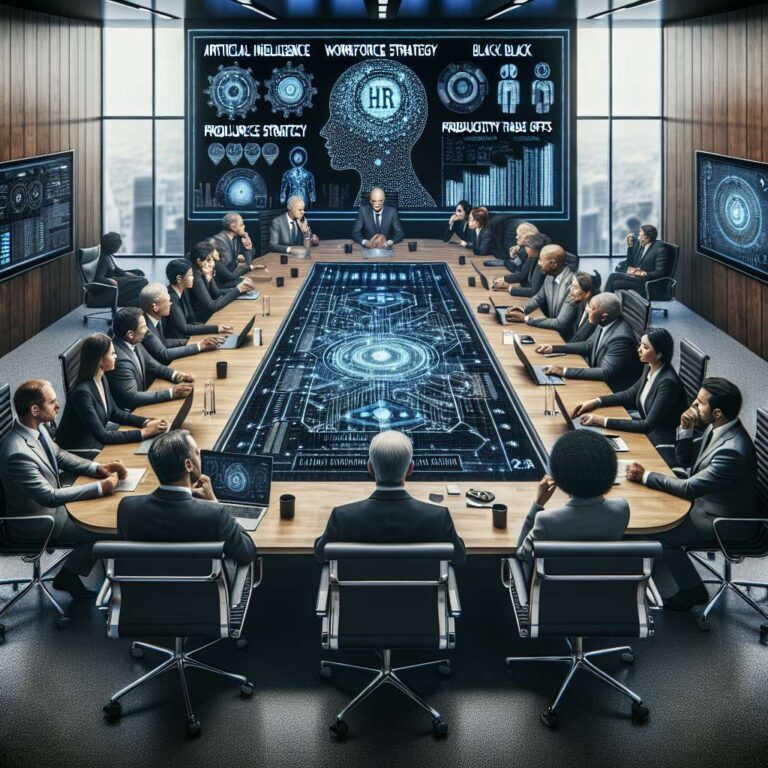
Chief human resources officers are taking on a more complex and strategic role as CEOs increase expectations around workforce decisions tied to artificial intelligence adoption, productivity and culture. Gartner’s outlook shows that many HR leaders are being asked to guide discussions with CEOs and boards on how artificial intelligence affects workforce size and structure, despite limited evidence on productivity gains and emerging returns on investment. This creates pressure to balance cost control and competitiveness with realistic operational constraints, without appearing to resist innovation.
Executives such as Alejandro Paz at Robert Walters describe the chief human resources officer as a central strategic actor within executive teams, with responsibility for aligning human capital strategy with corporate objectives using data and analytics. In markets like Mexico and Latin America, shifting labor dynamics and diverse workforces make this alignment more complex. Gartner highlights a growing cultural dissonance in which companies seek higher performance and longer hours without formally adjusting values or incentives, pushing HR leaders to recalibrate cultural narratives, clarify expectations and evolve employee value propositions around flexibility, compensation and development to sustain attraction and retention.
Widespread deployment of Generative Artificial Intelligence tools is intensifying scrutiny of work quality, governance and employee wellbeing. Gartner notes that a large majority of HR leaders say their organizations already use Generative Artificial Intelligence tools, while most technology leaders pay limited attention to behavioral or well-being effects, prompting HR to introduce monitoring mechanisms, revise performance metrics and collaborate with health and safety teams. Alexis Langagne of Softek argues that deciding who benefits from Generative Artificial Intelligence driven productivity gains will require unprecedented change management, including choices on whether saved time fuels more output, training, innovation or greater flexibility, which will shape engagement and employer branding and demand tight coordination between the chief human resources officer and the chief information officer. Gartner also warns of “workslop,” or fast but flawed output generated with artificial intelligence that undermines productivity, urging HR leaders to help redesign evaluation systems, influence technology investments and tackle rising risks such as candidate fraud, deepfakes and corporate espionage in artificial intelligence supply chains. Looking ahead, HR leaders are expected to navigate debates over digital replicas, compensation for training artificial intelligence systems and potential shifts away from highly digital roles, which will require stronger internal data, credibility and clear prioritization to differentiate immediate risks from longer term possibilities in a volatile technological landscape.