The recent acquisition of Io by OpenAI, aimed at building a groundbreaking piece of technology, underscores a pivotal shift: hardware has become the latest battleground for artificial intelligence innovation. With artificial intelligence poised to move from distant servers to intimate physical spaces—our homes, bedrooms, and even bodies—the stakes are changing. Rather than abstract algorithms, we now face tangible, ever-present devices that will mediate our daily lives. This evolution raises urgent questions about transparency, agency, and the direction of technological progress.
Presently, most artificial intelligence hardware is being designed in secrecy, delivered as polished, closed systems that users simply consume. When technology arrives as an impenetrable black box, individuals become passive recipients—forced to adapt to dictated updates and features, excluded from the processes of creation or influence. In a world already grappling with rising anxiety, loneliness, and fears of technological disruption, this model risks deepening societal disempowerment. As industry giants and startups race to dominate artificial intelligence´s physical form factors—from wearables to robots—the danger is a future where technology is inscrutable and exclusive, designed by a few for the many.
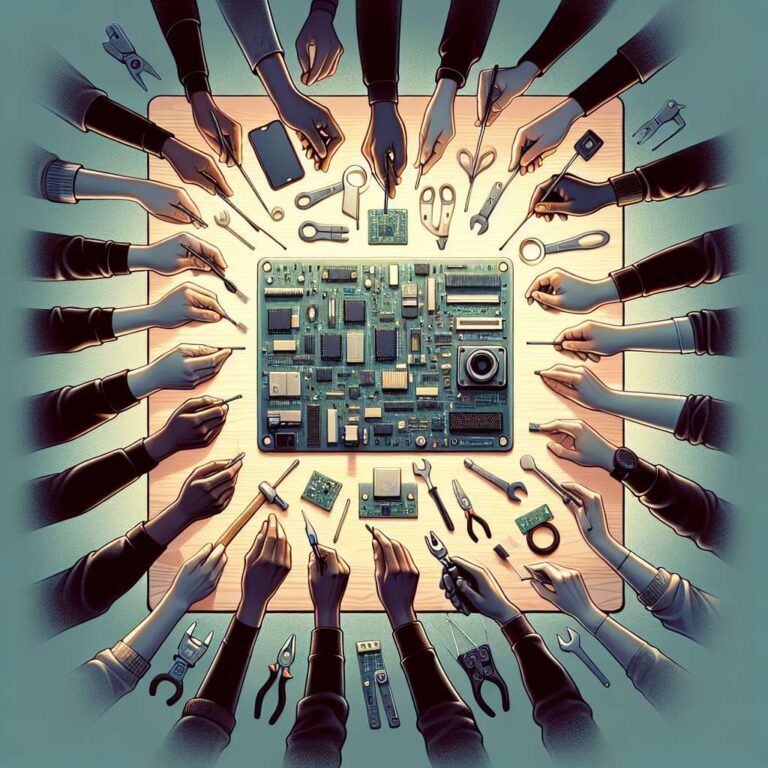
An alternative is gaining renewed traction: openness and collective innovation. Echoing the ethos of the early maker movement, which flourished with do-it-yourself electronics, 3D printing, and community-driven creativity, a new wave of open hardware advocates is emerging. Organizations like Hugging Face are fostering global collaboration in building open-source artificial intelligence robots, while iconic initiatives such as Raspberry Pi and Maker Faire continue to draw large, diverse crowds. Studies back the movement’s impact, linking hands-on creativity with reduced anxiety and increased well-being. Proponents argue that open, hackable hardware does more than democratize access; it stimulates invention, strengthens communities, and reclaims user agency. Rather than opposing artificial intelligence hardware, advocates urge investment and support for open, communal alternatives that empower everyone—not just elite technologists—to shape the digital world.
Ultimately, the push for open artificial intelligence hardware is a bid for a participatory technological future. Rather than passively awaiting the next proprietary marvel, individuals and communities are encouraged to tinker, build, and innovate together. The vision is neither nostalgic nor utopian: it is a pragmatic stance for a future where technology fosters openness, creativity, and collective empowerment—inviting all to co-author the next generation of devices that will shape humanity.