A year ago, Apple generated enormous anticipation when it unveiled its Artificial Intelligence initiative at a major event in Silicon Valley, branding the strategy ´Apple Intelligence.´ The announcement sparked record-breaking excitement on Wall Street, giving Apple one of the largest single-day market value leaps in American corporate history. Investors and consumers expected generative Artificial Intelligence to transform the iPhone into an intelligent digital assistant, reviving lackluster phone sales by essentially upgrading Siri with advanced capabilities.
However, just twelve months later, the optimism has faded. There is a growing sense of anxiety within both the company and the wider technology industry over Apple´s strategic direction. Hopes that Artificial Intelligence would provide a magic bullet for declining iPhone demand have diminished. Enthusiasm has turned to existential dread, as Apple contends with the reality that Artificial Intelligence integration alone may not deliver the revitalization shareholders crave. This has led to inevitable comparisons with Nokia, the former mobile phone giant that lost its way amid major industry transformations.
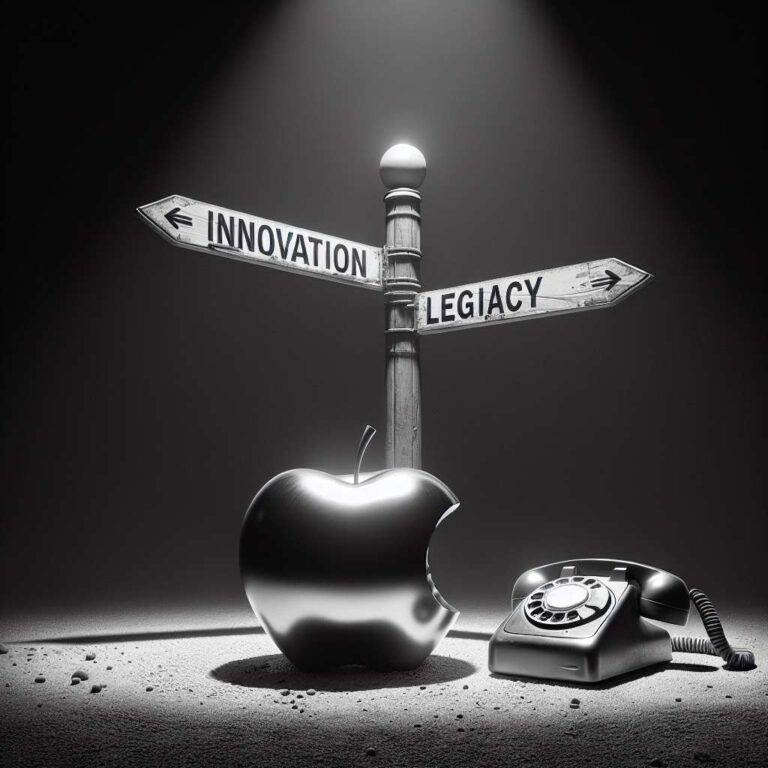
Tim Cook, Apple´s longtime chief executive, faces the critical challenge of navigating the company through this turbulent period. The central dilemma: will a reliance on past formulas and incremental improvements be enough to secure Apple´s future, or does the moment demand radically rethinking the company´s approach? As the mobile and technology environment sees rapid advances in Artificial Intelligence and new competitors emerge, Apple must decide whether to cling to legacy models or tear up the rule book entirely. The outcome could determine whether Apple follows Nokia into irrelevance or regains its innovation edge in the global marketplace.