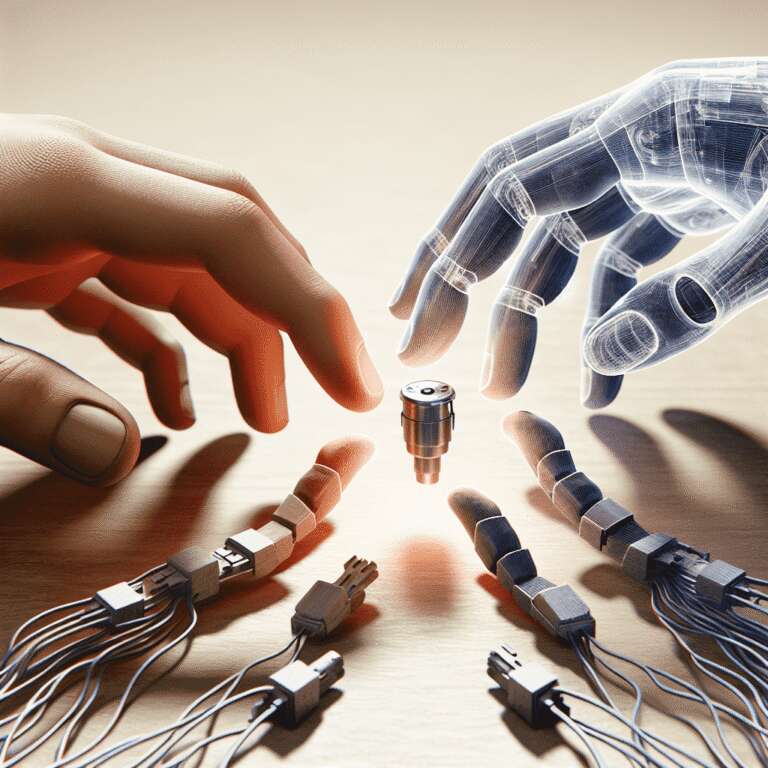
Brain-computer interfaces (BCIs) have been recognized as the 11th Breakthrough Technology of 2025 by MIT Technology Review readers, highlighting their increasing relevance within the biomedical technology landscape. BCIs involve the implantation of electrodes into the brain to translate neural commands into actions executed by computers or assistive devices. The discussion, featuring editor at large David Rotman and senior biomedicine editor Antonio Regalado, delves into how these devices are primarily designed to restore mobility and communication for people suffering from paralysis or severe motor impairments.
The roundtable records a comprehensive exploration of BCIs´ journey, tracing their evolution from experimental research to products edging closer to clinical application. Rotman and Regalado examine the technical advancements and engineering efforts that have underpinned the transition of BCIs from proof-of-concept in laboratories to solutions with the potential for everyday use. The talk addresses both the promise and current hurdles: while BCIs increasingly demonstrate their ability to decode neural activity for practical control of external devices, regulatory, ethical, and usability considerations present substantial challenges on the way to mainstream products.
This expert-led conversation underscores the careful balancing act involved in advancing BCI technologies—from ensuring safety and efficacy for patients, to resolving complex issues related to implant procedures and long-term maintenance. With heightened public and commercial interest, the session also highlights the collaborative roles of academia, industry, and government in refining, scaling, and responsibly deploying BCI technologies. As BCIs inch closer to broader adoption, the roundtable signals a pivotal moment for stakeholders to address both innovation and ethical stewardship in neurotechnology.