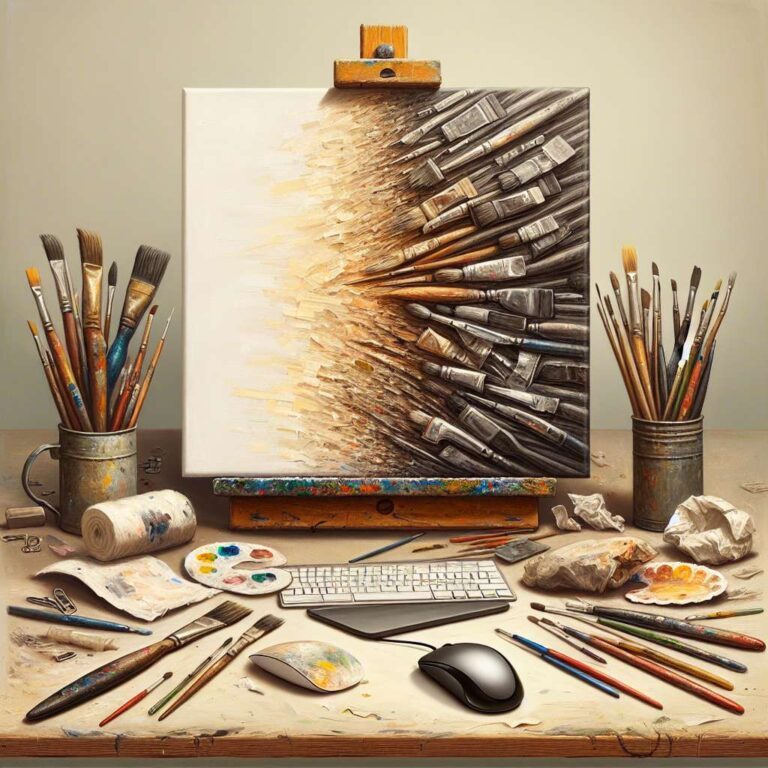
Artists in Charlottesville, Virginia, are weighing the profound implications of artificial intelligence as it rapidly advances into creative domains. Artificial intelligence´s increasing abilities to generate visuals and reinterpret existing artworks have ignited debates across the art world, as creators grapple with both its potential and its controversy.
Local artists articulate mixed feelings: while some view artificial intelligence as a powerful tool that expands creative possibilities and democratizes artistic production, others express unease over originality and authorship. Concerns emerge around intellectual property, given that many artificial intelligence-powered generators learn from vast swaths of existing artwork, sometimes without consent or compensation for originators. This tension between embracing innovation and protecting traditional forms of creativity shapes ongoing conversations among the region´s visual artists and educators.
Beyond technical and legal questions, the community is actively reflecting on what makes art meaningful in an era when machines can imitate human vision and style. While some artists experiment with artificial intelligence to challenge boundaries, others advocate for policy reforms and clearer guidelines. The local dialogue mirrors a global reckoning, as the art industry seeks balance between embracing transformative technologies and preserving the irreplaceable role of individual expression, intention, and human nuance in visual culture.