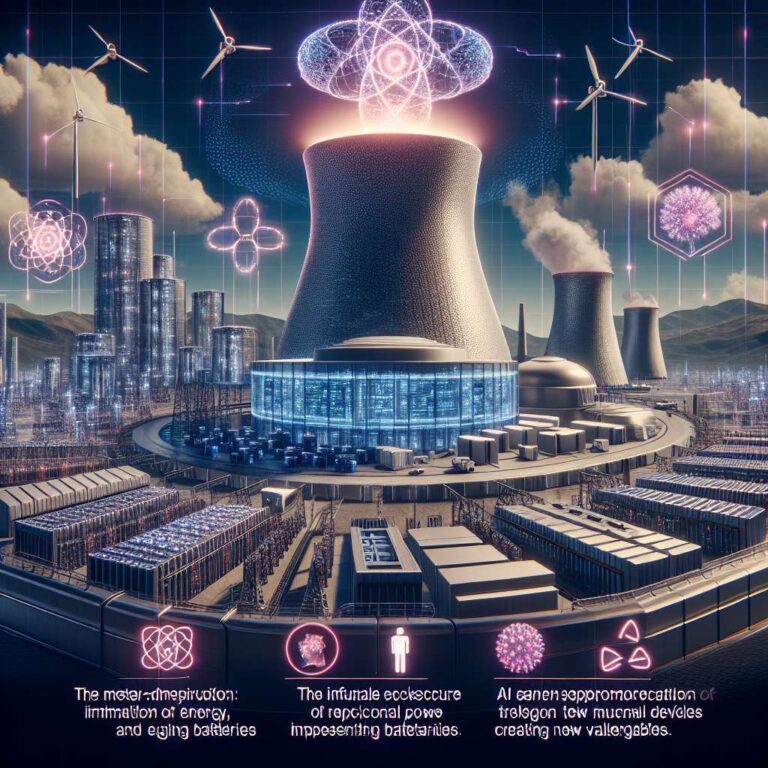
Artificial Intelligence is fueling unprecedented demand for hyperscale data centers, pushing companies to seek new, reliable energy sources that can sustain vast computational loads. One proposed solution is next-generation nuclear power plants, which are presented as potentially cheaper to build and safer to run than older designs. These nuclear systems are being discussed in the context of the MIT Technology Review 10 Breakthrough Technologies of 2026 list, reflecting how deeply future Artificial Intelligence infrastructure is tied to long-term energy innovation and grid planning.
At the same time, social media is amplifying a culture of overstatement around Artificial Intelligence progress. A high-profile dispute unfolded on X when Demis Hassabis, CEO of Google DeepMind, called “This is embarrassing” in response to a post by OpenAI researcher Sébastien Bubeck, who claimed that two mathematicians had used GPT-5 to solve 10 unsolved problems in mathematics. The exchange illustrates how public platforms reward hype and boosterism, encouraging inflated narratives about what current large language models can actually do. Commentators argue that this environment distorts expectations, complicates serious evaluation of research claims, and fuels wider misunderstandings of Artificial Intelligence capabilities.
Beyond Artificial Intelligence, other technologies are emerging to address climate, infrastructure, and ethical challenges. Radiative cooling materials such as advanced paints, coatings, and textiles are being explored as a way to scatter sunlight and shed heat without extra energy, a response to heat waves that have knocked out power grids in regions including North America, Europe, and the Middle East. In China, aging electric vehicle batteries are flooding the market and driving an informal recycling ecosystem while authorities race to impose order. A curated list of must-read stories highlights debates over banning social media for minors in Europe, human users impersonating agents in networks of Artificial Intelligence bots, Russian interception of European satellites, regulatory action against social platforms, cryptocurrency controversies, and new roles inside OpenAI such as a “head of preparedness.” Ethical questions are also growing around brain implants, as the case of Australian patient Rita Leggett suggests such devices can become central to a person’s identity, raising human rights concerns when implants are removed after corporate failures.