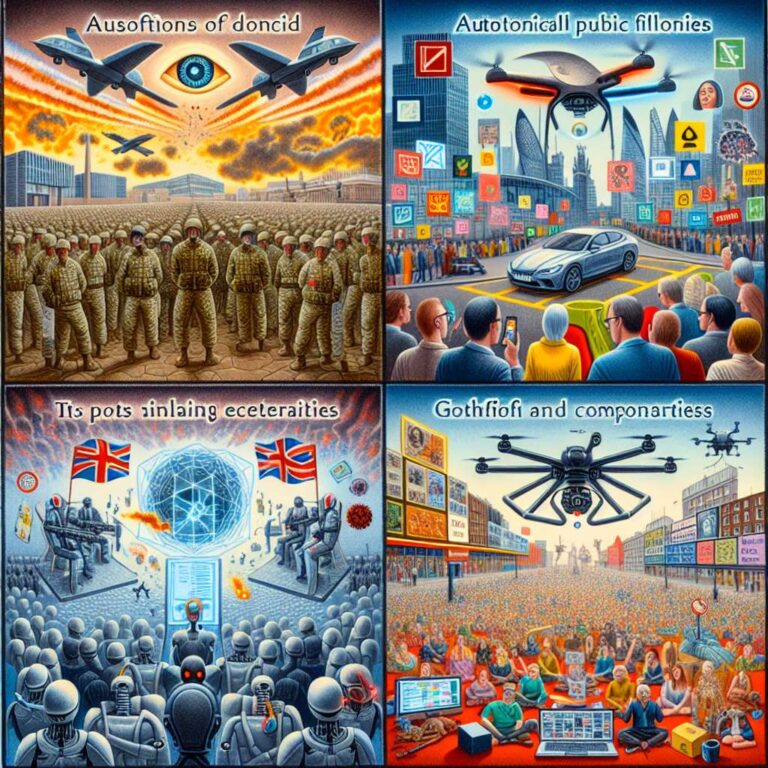
Artificial Intelligence is becoming more entangled with war, corporate rivalry, and public resistance. Anthropic and the Pentagon clashed over how to weaponize Anthropic’s model Claude, before OpenAI moved in with what was described as an “opportunistic and sloppy” deal. Anthropic, a company founded around ethical positioning, is now accelerating US strikes on Iran.
Pressure is also building outside the defense world. Users quit ChatGPT in droves, adding to signs of dissatisfaction around consumer Artificial Intelligence products. In London, people marched in the biggest protest against Artificial Intelligence to date, showing that opposition is no longer confined to researchers, artists, or policy circles and has become a broader public movement.
At the same time, the culture around Artificial Intelligence is growing more surreal. Artificial Intelligence agents are going viral online, turning from productivity tools into personalities and intermediaries. OpenAI hired the creator of OpenClaw, a popular Artificial Intelligence agent, while Meta acquired Moltbook, where Artificial Intelligence agents appear to reflect on their own existence and create beliefs such as Crustafarianism.
The commercial use of these systems is also taking on an odd human hierarchy. On RentAHuman, bots are hiring people to deliver CBD gummies. The emerging picture is less about Artificial Intelligence directly replacing workers and more about systems that manage people, shape behavior, and drift into roles that mix automation, authority, and absurdity.