At Google´s I/O 2025, the company spotlighted new digital assistant capabilities, depicting a near future where intelligent software agents act as digital coworkers. Demonstrations included tasks beyond basic question answering, such as sourcing product manuals, scouring video tutorials, and making local calls to coordinate repairs, all with limited user prompting. The broader vision is that these artificial intelligence agents could streamline daily workflows—booking travel, handling scheduling, submitting expenses, and even autonomously collaborating to achieve goals behind the scenes.
However, Yoav Shoham, Stanford professor emeritus and cofounder of AI21 Labs, warns against letting the hype outpace the reality. The accelerating buzz around artificial intelligence agents risks inflating expectations, potentially sparking backlash if the technology underdelivers. Shoham emphasizes the pattern familiar in technology cycles: if development fails to keep up with rising aspirations, public disappointment and skepticism soon follow, posing a threat to the promise of digital agency before it fully materializes.
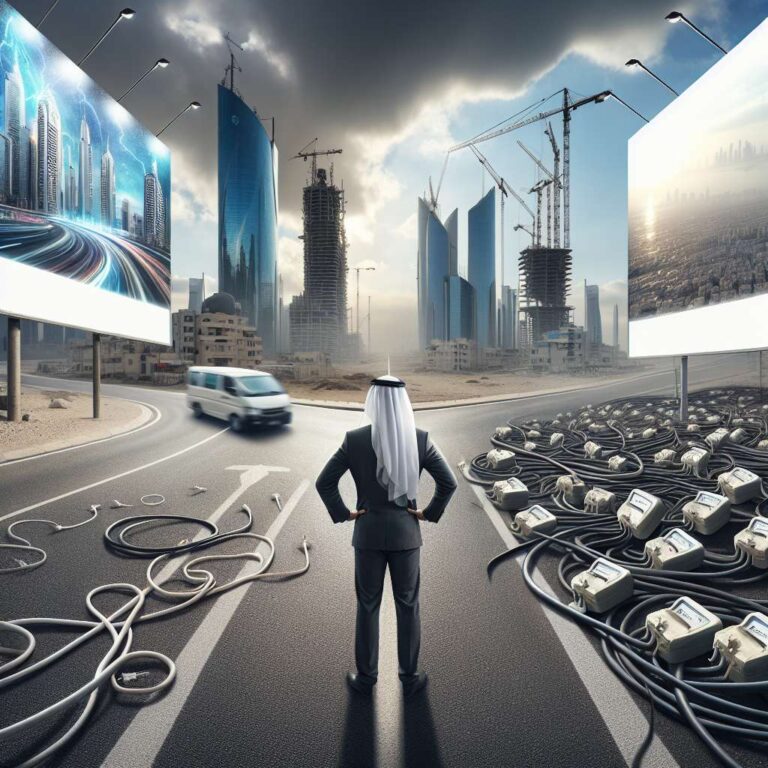
Meanwhile, Google´s ambitions in artificial intelligence are driving a dramatic surge in electricity consumption. The company recently disclosed a doubling of data center energy use since 2020, underscoring the vast power demands of both artificial intelligence and cloud computing. To stay ahead, Google has announced a deal to purchase energy from a fusion company’s prospective inaugural plant—a move reflecting big tech’s scramble for clean electricity amid mounting environmental scrutiny. Yet the company still does not break out its artificial intelligence-related emissions, obscuring the true environmental impact. Industry-wide, the pressure is mounting to balance explosive digital growth with sustainable energy solutions, as other tech stories—from flawed climate modeling tools and regulatory uncertainties in healthcare, to questions of scientific integrity and experimental medicine—reflect the evolving landscape where technological promise collides with societal and ecological realities.