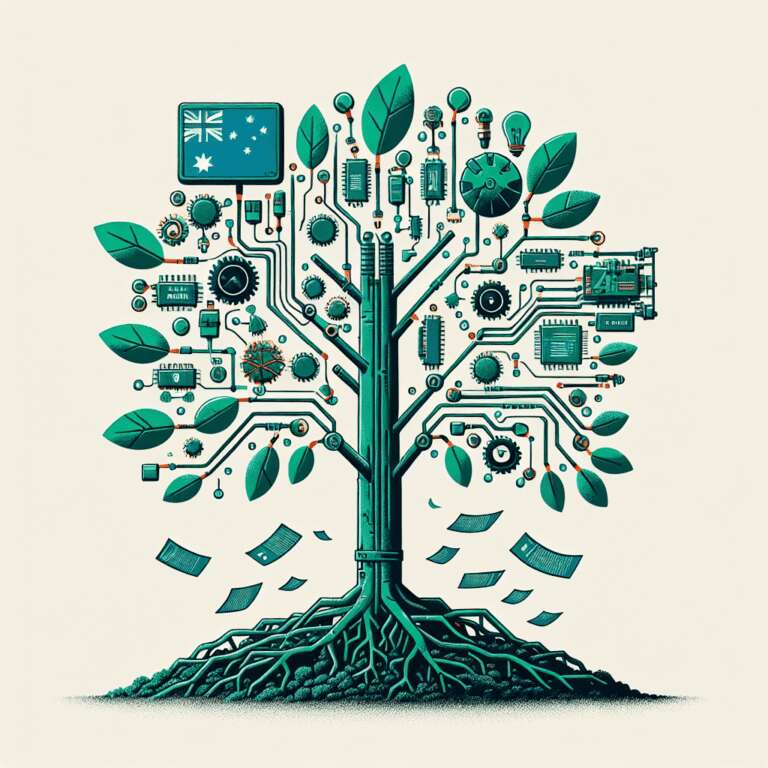
Artificial Intelligence is rapidly becoming the focal point for innovation, investment, and business transformation in Australia. Recent coverage from SmartCompany highlights that Artificial Intelligence has topped startup funding deals in Q1 2025, signalling investor confidence in the sector´s disruptive potential. However, this surge brings complexities, such as a growing debate about the impact on employment and the need for responsible integration. One notable case is Canva, which launched a suite of new Artificial Intelligence-powered tools shortly after announcing job cuts attributed to its adoption of the technology, illustrating the dual nature of progress and its impact on the workforce.
The influence of Artificial Intelligence is extending beyond traditional tech and startup circles, notably reshaping the healthcare sector. A consortium of Australian researchers secured multi-million-dollar grants to deploy Artificial Intelligence and 3D technology for cancer research, where printed cancer cells are analysed using advanced algorithms. This blend of machine learning and biotechnology is enabling faster, more accurate diagnostics and treatment plans, emphasising Artificial Intelligence´s role in advancing medical science and patient outcomes.
In addition to healthcare and startups, the news underscores how established companies and service providers are integrating Artificial Intelligence to enhance their offerings. Companies like Lawpath have reported a 25% reduction in customer service enquiries after leveraging self-service platforms built with Artificial Intelligence on Amazon Bedrock, reflecting significant efficiencies for client-facing operations. Google and other tech giants are also expanding Artificial Intelligence capabilities in productivity tools like Docs, Sheets, and Gmail, signalling mainstream adoption in everyday business processes. However, concerns about trade tariffs, regulatory hurdles, and broader economic implications remain, making the Artificial Intelligence boom a complex but transformative trend for Australian businesses.