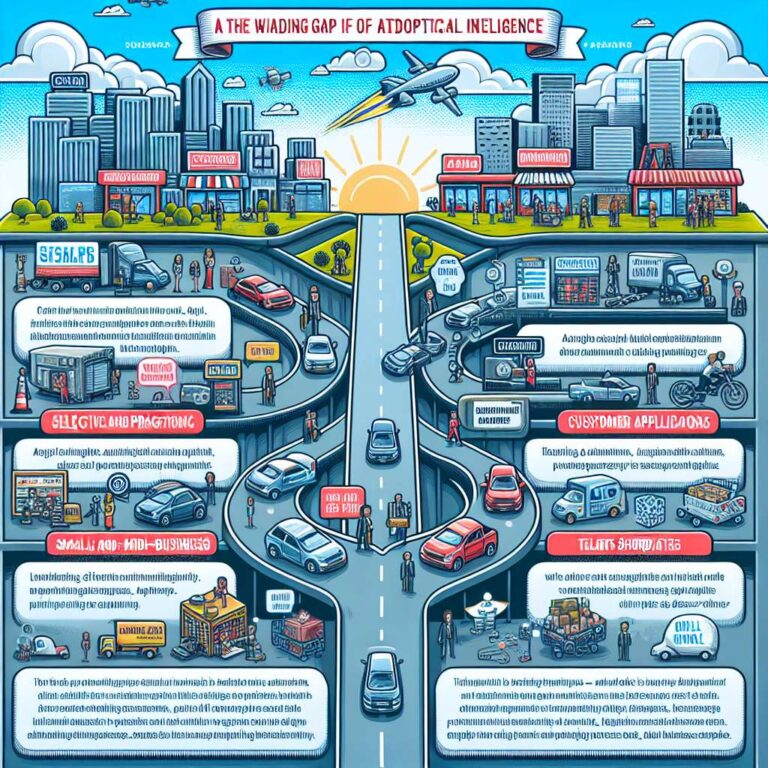
Computerworld’s New Zealand coverage highlights a growing divide in how different types of organizations are able to harness Artificial Intelligence. While large enterprises are rapidly integrating Artificial Intelligence into their operations, small and mid-sized businesses are finding it harder to keep pace with the investments, skills, and infrastructure that modern Artificial Intelligence initiatives demand. This widening gap is shaping competitive dynamics across industries, particularly as Artificial Intelligence becomes embedded in productivity tools, cloud platforms, and customer facing applications.
The site’s Today in Tech video segment titled “The AI divide is growing for SMBs — Here’s how they can still win” focuses specifically on this issue. In this episode, host Keith Shaw speaks with Ed Keisling, Chief AI Officer at Progress Software, about how Artificial Intelligence is reshaping enterprise strategy and why many small and mid-sized businesses risk falling behind. The discussion emphasizes that as Artificial Intelligence reshapes enterprise strategy, many small and mid-sized businesses risk falling behind, but it also stresses that smaller firms can compete without massive budgets or deep Artificial Intelligence teams by being selective and pragmatic about where they apply the technology.
Within the broader New Zealand and global context covered on the page, Artificial Intelligence is framed as both an opportunity and a source of pressure for business technology leaders. Articles and videos around topics such as enterprise automation, cyber threats, and emerging Artificial Intelligence tools underscore that organizations are being pushed to modernize IT operations and business processes. At the same time, the content signals that companies must align new Artificial Intelligence capabilities with tangible business outcomes, while managing risks such as security, skills shortages, and a deepening digital divide between large enterprises and the smaller businesses that increasingly depend on their platforms and ecosystems.