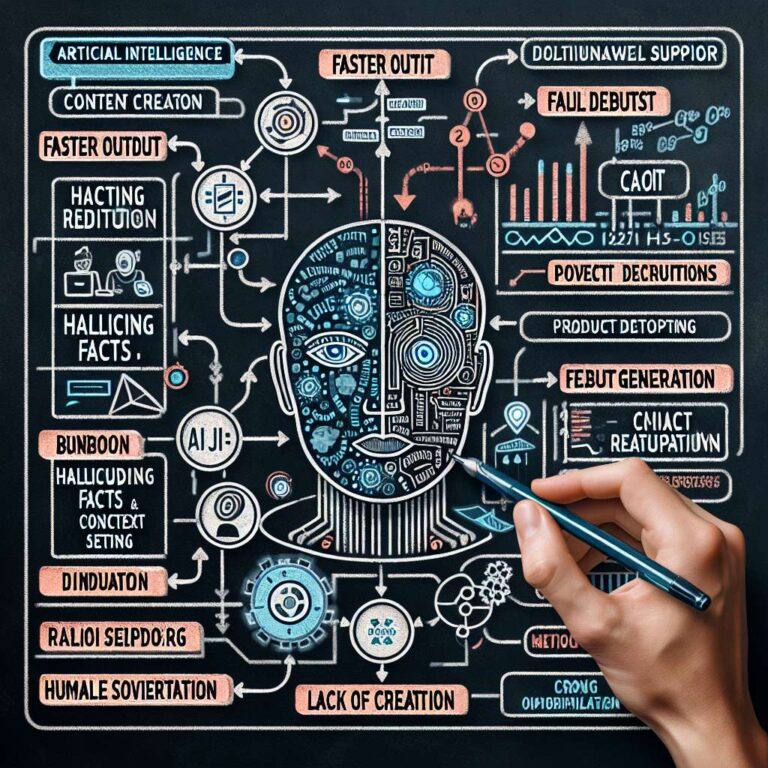
Artificial intelligence has evolved from solving basic computational problems to powering sophisticated solutions like content creation tools. These artificial intelligence writers, leveraging advanced language models, are rapidly transforming marketing strategies for brands faced with the daunting prospect of generating vast quantities of digital content. The article explores the definition of artificial intelligence as systems capable of tasks such as reasoning, perception, and language understanding, and underscores an economic projection by PwC of trillions in value added to the global economy by 2030. In content marketing, artificial intelligence writers now assist in producing various types of content, from blogs to social media posts, enabling brands to attract new customers and retain existing audiences through consistently high output.
Several notable artificial intelligence writing tools are dissected for their features, strengths, and shortcomings. Tools like OpenAI´s ChatGPT and Copy.ai excel in rapid content generation and user-friendly interfaces, yet they require meticulous prompts and regular fact-checking to avoid outdated or incorrect information. Rytr, Writesonic, and DocGPT cater to short-form and niche content, with Rytr supporting multiple languages and Writesonic offering a wide array of use cases. AI-Writer distinguishes itself by citing its sources, appealing to those who need traceable references, while Canva Magic Write integrates directly with graphic design workflows to streamline campaign creation. Across the board, the consensus is clear: while artificial intelligence writers can draft content quickly, human intervention remains necessary for fact-checking, ensuring contextual appropriateness, and adding unique insights or brand persona to the text.
The benefits of artificial intelligence writers for businesses—regardless of size—are substantial, including faster content generation, fewer grammatical errors, and enhanced idea generation based on audience preferences. These tools can mimic the structure and SEO strategies of top-ranking sites, offering a preliminary advantage in search engine visibility. However, there are notable limitations: artificial intelligence-generated content can perpetuate misinformation, experience so-called ´hallucinations,´ lack credible sourcing, and often deliver only surface-level insights. Articles produced by artificial intelligence tend to be repetitive and less engaging than those created by skilled human writers. Thus, the optimal model for future content creation combines artificial intelligence’s speed and efficiency with the critical thinking and creativity of professional human authors—suggesting a collaborative future rather than a competitive one, where technology enables, rather than replaces, human expertise.