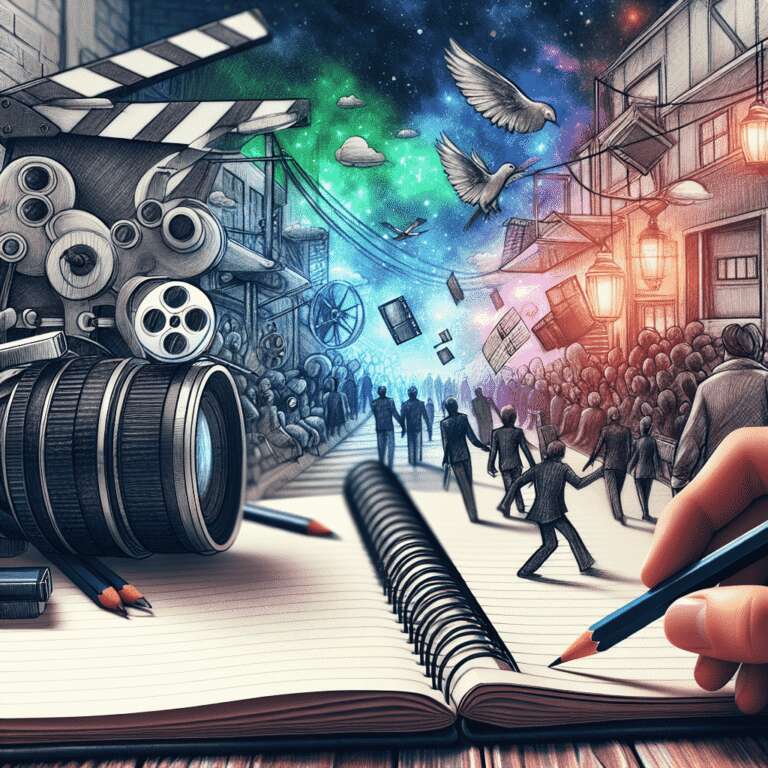
The landscape of video production is undergoing a rapid evolution with the rise of Artificial Intelligence video generators. These tools have made it possible to create dynamic and compelling videos without cameras, actors, or complex editing software. Generative Artificial Intelligence models can now automate the creation of video content by transforming text prompts into fully realized scenes, animating static images, and enhancing real video clips with effects, transitions, or dialogue—all with minimal user input.
Leading the field are platforms like Runway, Pika, and Sora. Runway’s Gen-2 model is prized by creatives for its straightforward interface and seamless integration with popular design workflows, enabling users to generate videos from text descriptions or even expand upon images and video clips. Pika is tailored for filmmakers and content creators, delivering cinematic stylization and giving users granular control over camera movement, lighting, and mood. Sora by OpenAI stands out for its uncanny realism in video sequences, producing natural movement and highly detailed visuals from simple prompts while bridging text, images, and video in innovative ways.
These tools deliver both significant benefits and fresh challenges. Artificial Intelligence video generators dramatically speed up production, reduce costs, and make high-quality video creation accessible to smaller teams and independent creators. They enable scalable output for social campaigns, rapid iteration for brand storytelling, and accessible content for education and e-commerce. However, users must navigate creative limitations, quality issues, and important ethical concerns, including copyright and the potential for homogenized, less original content.
The impact of Artificial Intelligence-powered video is being felt across a wide range of industries. Indie designers, marketers, educators, and advertisers are leveraging these capabilities to tell their stories, boost engagement, and bring big ideas to life without extensive resources. The shift is also changing creative roles—designers are increasingly acting as multimedia storytellers, brands are gaining flexibility in prototyping narratives, and the artistic choices behind typography, color, and composition remain critical to standing out in a world where video generation is as simple as writing a prompt.
Ultimately, Artificial Intelligence video generators are opening the door to a new era in storytelling. While the technology empowers unprecedented creative freedom, true impact will always rely on strong design, branding, and storytelling skills. As creators experiment with these platforms, the fusion of innovative technology and classic design principles promises to define the next wave of digital content.