OpenAI’s Codex has gained the ability to observe screen activity and turn repeated user workflows into reusable automated skills. The update is aimed at simplifying digital task automation by learning from manual actions and replicating them for future use.
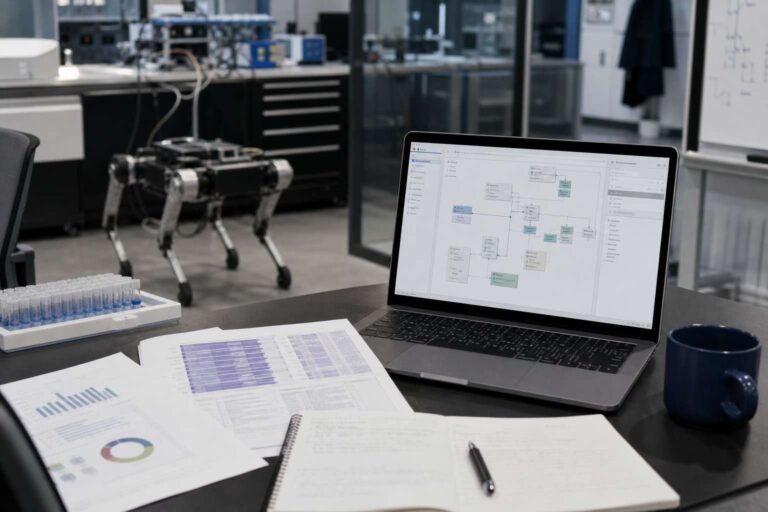
AI systems are also expanding into robotics and diagnostics. Anthropic’s Claude autonomously set up and controlled a robotic dog in Project Fetch, completing the work 20 times faster than humans. OpenAI’s o3 reasoning model identified 18 rare childhood diseases after re-analysing 376 genomic sequences that had previously been labelled as cold cases.
Other launches focus on practical deployment. Superlog uses AI agents to ingest system data, group related incidents and debug production environments, while Codebase Memory MCP indexes repositories into a structured knowledge graph for AI coding agents. The gpt4free repository offers access to multiple Large Language Model providers through one OpenAI-compatible API, with a local graphical interface and client support.
Consumer and urban-use cases are also emerging. Pinterest is shifting shopping discovery toward conversational recommendations based on taste signals, while an AI-powered water-jet device designed to deter pigeons from balconies has raised questions about automated systems interacting with wildlife. Separately, Amazon’s MGM studio has stepped away from Artificial, a planned OpenAI biopic centered on Sam Altman’s firing and reinstatement.