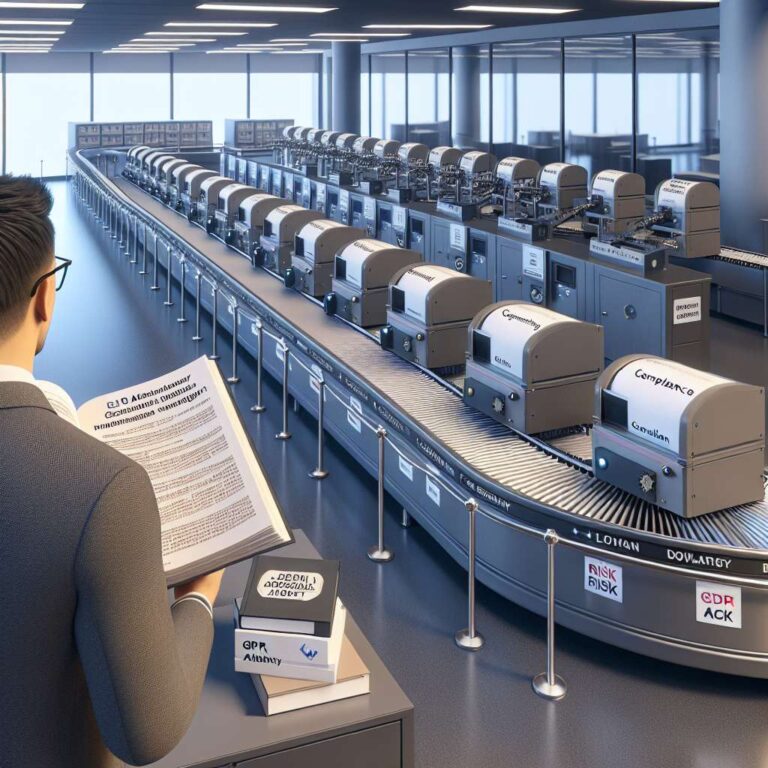
Agentic artificial intelligence, with capabilities such as autonomous decision making, continuous learning, adaptive workflows and multi step problem solving, is emerging as a major new layer in financial technology across Europe. Europe’s enterprise agentic artificial intelligence market is on a rapid growth trajectory, with revenues, totalling $634 million in 2024, crossing $5.5bn by 2030, and Germany, the UK and France together accounting for roughly 70% of the market. Adoption in banking remains at an early stage but is progressing, particularly in relatively low risk, high impact areas such as back office automation and fraud detection, as traditional static, rule based automation reaches its limits under pressure from fintech, big tech competition and demanding regulation.
Banks are beginning to deploy artificial intelligence agents across back office functions to autonomously verify documents, reconcile accounts, process invoices and post journal entries in order to save cost and time while cutting errors. The benefits are described as especially visible in credit operations and trade finance processing, with leading banks reporting 25 to 40 percent improvement in loan approval speed and 45 to 65 percent reduction in manual effort, respectively. When agentic artificial intelligence generated mortgages commence sometime next year, customers will be able to complete credit checks and formalities without interacting with human staff, supported by an ecosystem of specialist agents that can evaluate market options, analyse financial health, refine product shortlists and submit applications directly to lenders.
In parallel, banks are using agentic artificial intelligence to strengthen risk management and compliance by monitoring financial transactions in real time, detecting suspicious patterns and automatically triggering actions such as freezing affected accounts. These systems track regulatory changes, watch processes for compliance, issue alerts on potential violations and generate reports without human intervention, while also incorporating real time market data and external signals to adjust risk assessments and help institutions align with mandates such as GDPR, the EU artificial intelligence act and MiFID II, where one source reports that European banks trialling autonomous agents for MiFID II compliance were able to implement new requirements up to 25 percent faster than those relying only on human analysts. On the customer side, agentic artificial intelligence powered chatbots and virtual assistants act as personal financial concierges that understand context, resolve disputes, recommend products and autonomously move funds or rebalance portfolios, with gaming platforms highlighted as a frontier for engaging younger consumers via generative artificial intelligence driven micro investments, dynamic credit options and gamified savings. European banks are advised to address the higher implementation complexity of agentic artificial intelligence by rethinking operating models, building responsible artificial intelligence frameworks, ensuring model explainability, investing in talent and adopting agile, experimentation friendly cultures to unlock value in a secure, compliant and ethical way.