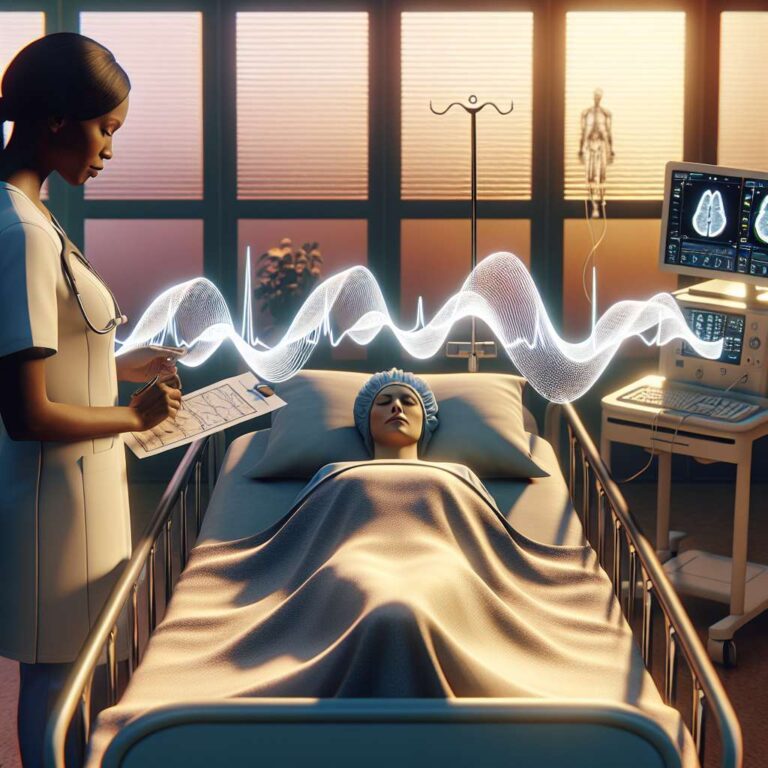
Recent developments in neurological care have been catalyzed by an innovative collaboration that brings generative artificial intelligence to the bedside of brain-injured patients. Healthcare providers are now equipped to monitor brain activity with greater detail and immediacy, opening new avenues for personalized treatment strategies. This marks a significant shift from traditional approaches, which often relied on slower, less adaptive monitoring systems with limited real-time feedback capabilities.
By integrating advanced generative artificial intelligence tools into clinical workflows, medical teams can interpret vast amounts of neurological data efficiently. This technology empowers clinicians to identify subtle changes in brain function, supporting earlier diagnosis and more precise intervention. Tailored recommendations provided in real time help optimize critical care paths, reducing the risk of long-term complications for vulnerable patients.
The partnership driving this initiative was founded by experts in digital strategy and machine learning, ensuring both the technological robustness and clinical relevance of the solution. Their combined expertise is accelerating the adoption of artificial intelligence-driven solutions in healthcare, not only enhancing outcomes for brain-injured individuals but also streamlining hospital operations. As artificial intelligence becomes increasingly integrated into everyday clinical practice, the prospect of highly responsive, patient-centric neurological care draws ever closer.