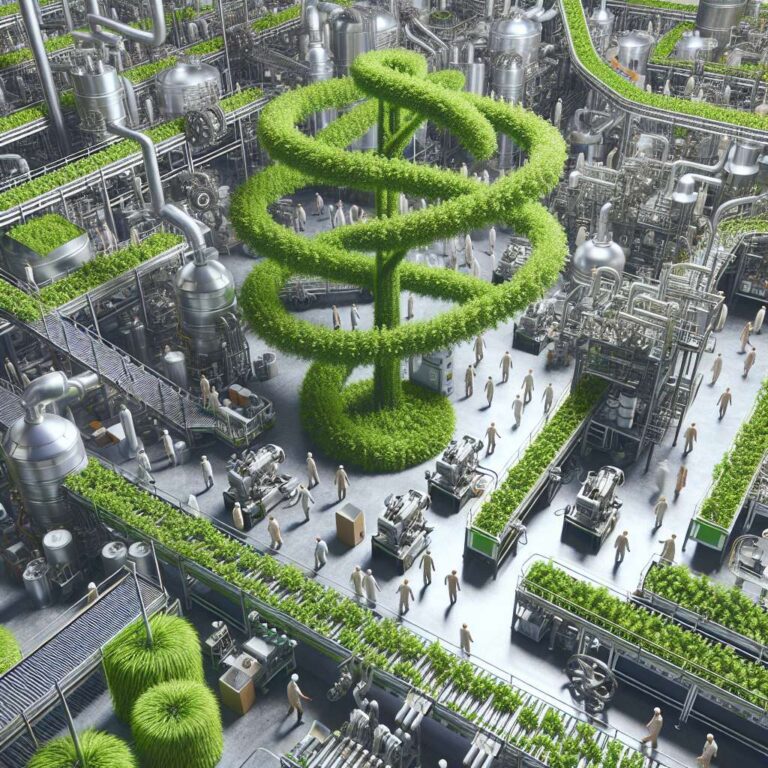
Adaptive production represents a fundamental shift in the philosophy of manufacturing, moving beyond incremental technical upgrades to embrace a new era where autonomous, interconnected systems take center stage. By integrating artificial intelligence, digital twins, and robotics, manufacturers are now able to design processes and environments that can learn, adapt, and evolve dynamically—well past what conventional automation systems allow. Plants outfitted with these technologies can make real-time decisions, optimize operations, and continuously improve output quality and efficiency.
The transformative impact of adaptive production extends far beyond improving productivity on the factory floor. As global initiatives seek to revitalize local manufacturing, particularly in regions like North America and Europe, adaptive production is emerging as a strategic lever to address persistent workforce challenges. According to a 2024 US survey, 60% of manufacturers struggle to attract and retain talent. The shift to adaptive, technology-centric production environments is turning manufacturing into a more appealing career option, offering roles that marry safety, reduced repetition, and better compensation. Simon Johnson, co-director of MIT’s Shaping the Future of Work Initiative, highlights the broader potential: artificial intelligence systems can enhance—not replace—human workers, especially those most vulnerable to job displacement by automation, including individuals without college degrees.
Digitization—embedded in adaptive production’s very DNA—helps manufacturers address sustainability. By leveraging advanced analytics and process optimization, companies can achieve a holistic view of operations, from raw materials to end-of-life product management. Jelena Mitic, Siemens’ head of technology for the Future of Automation, emphasizes that smarter integration of data and digital tools accelerates operational efficiency and strengthens compliance with safety and environmental regulations. As digital technologies evolve, adaptive production is poised to elevate manufacturing’s role not just in economic growth and innovation, but in shaping a more resilient and sustainable industrial future.