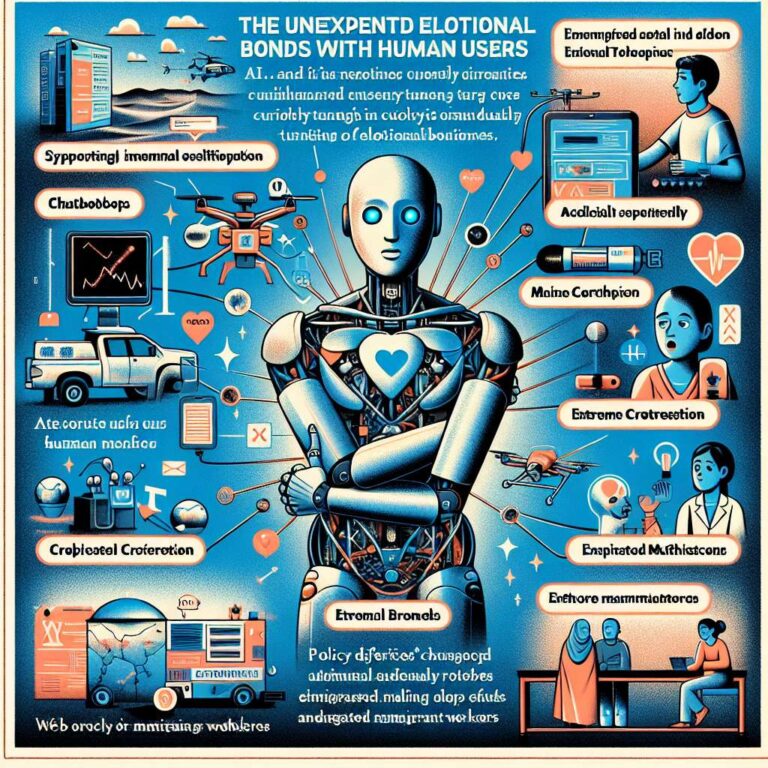
Today’s edition of the Download leads with new research into how people form relationships with Artificial Intelligence chatbots. The first large-scale computational analysis of the Reddit community r/MyBoyfriendIsAI found many users did not set out to find a companion bot at all, instead stumbling into relationships while using Artificial Intelligence for other tasks. Only 6.5 percent said they deliberately sought an Artificial Intelligence partner.
The findings are mixed: Artificial Intelligence companionship can offer vital support for some people, yet it can also make underlying problems worse for others. That complexity undercuts a one-size-fits-all approach to user safety and suggests any guardrails or design interventions need to account for a broad range of experiences and outcomes.
The newsletter also highlights a live conversation at 1:30 p.m. ET focused on the future of birth control. Kevin Eisenfrats, one of MIT Technology Review’s 2025 Innovators Under 35, will discuss how his company, Contraline, is advancing new contraception options for men. The subscribers-only Roundtable features Eisenfrats in conversation with executive editor Amy Nordrum.
In audio, MIT Technology Review Narrated examines what is next for Artificial Intelligence and mathematics. After a year of rapid progress, large language models are tackling problems at high school level and beyond, raising the question of whether Artificial Intelligence is closing in on human mathematicians. The episode is available on Spotify and Apple Podcasts under MIT Technology Review Narrated.
The must-reads roundup spans security, health, defense, and computing. Highlights include Secret Service agents dismantling a major operation aimed at crippling cell networks allegedly for scams, growing fragmentation in United States vaccine policy as federal responsibility recedes, and European defense leaders weighing a cross-border drone wall in response to increased Russian incursions. It also probes how to tell if artificial general intelligence has been reached when experts cannot agree on definitions.
Other picks cover robot umpires set to assist in Major League Baseball next year, arguments that Artificial Intelligence’s energy demands are overstated, warnings that extreme drought will become far more common, the resilience of subtitle writers’ jobs amid automation, and research into using epigenetics to spot wildlife population risks early. There is also a look at a rapture trend percolating on TikTok.
Quote of the day: Stella Li, executive vice president at BYD, says the company has contingency plans in case Beijing orders it to stop using Nvidia chips.
One more thing: the web app Reclamo is helping immigrant workers recover lost wages from theft. It guides users through assembling case details and generates finished legal claims ready to file, compressing a process that might take multiple attorney meetings into about an hour. Since beta testing began in October 2022, the tool has already helped workers reclaim millions.
For a lighter finish, the newsletter spotlights Fat Bear Week voting, the story of Lord Woodbine, a trove of medieval recipes, and a historical archive showing that pessimism about technology is nothing new.