
Ex Parte Desjardins reshapes Artificial Intelligence patent eligibility

A precedential PTAB decision and two USPTO memoranda have clarified how Artificial Intelligence inventions can qualify for patent protection under 35 U.S.C. § 101. The guidance gives applicants a clearer path to showing technical improvements in machine learning systems and computer performance.
Linux 7.0 adds support for three new Artificial Intelligence keyboard keys

Linux 7.0 has merged support for three dedicated keyboard keycodes designed for in-context Artificial Intelligence interactions. The new keys expand beyond Microsoft’s Copilot button by enabling selection-based actions, contextual insertion, and contextual queries.
Why opinion on Artificial Intelligence is so divided

Stanford’s 2026 Artificial Intelligence Index highlights a sharp disconnect between rapid technical progress and uneven real-world performance. That split is also visible in how experts and the public judge Artificial Intelligence’s impact on jobs, the economy, and daily life.
Agentic Artificial Intelligence foundation pushes open developer infrastructure

The Agentic Artificial Intelligence Foundation is positioning itself as a hub for open, interoperable infrastructure for agentic application development. Backed by the Linux Foundation, it aims to give developers tools such as MCP as software work shifts toward orchestration and oversight.
Stanford report charts the rapid rise of Artificial Intelligence

Stanford’s 2026 index portrays Artificial Intelligence as a fast-improving technology spreading through business, education, and daily life faster than past computing shifts. It also highlights mounting pressure on energy, jobs, benchmarking, and regulation as governments and researchers struggle to keep pace.
ClearBank Europe gains MiCAR crypto-asset status in the Netherlands
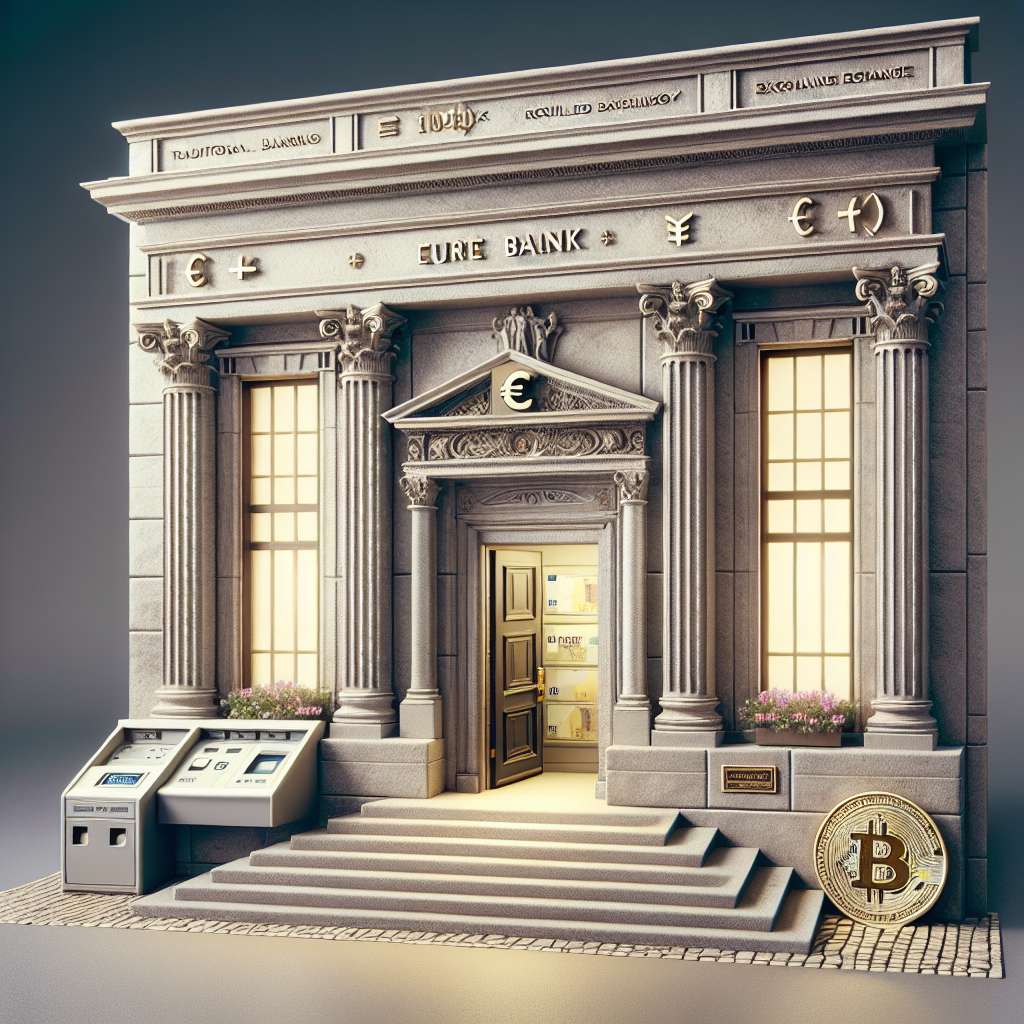
ClearBank Europe has become the first Dutch credit institution to complete the MiCAR notification process and receive Crypto Asset Service Provider status. The move allows the bank to offer regulated digital asset services across the European Union, beginning with access to EURC and USDC through Circle’s Mint platform.