
Redesigning firms and careers in the Artificial Intelligence-first era
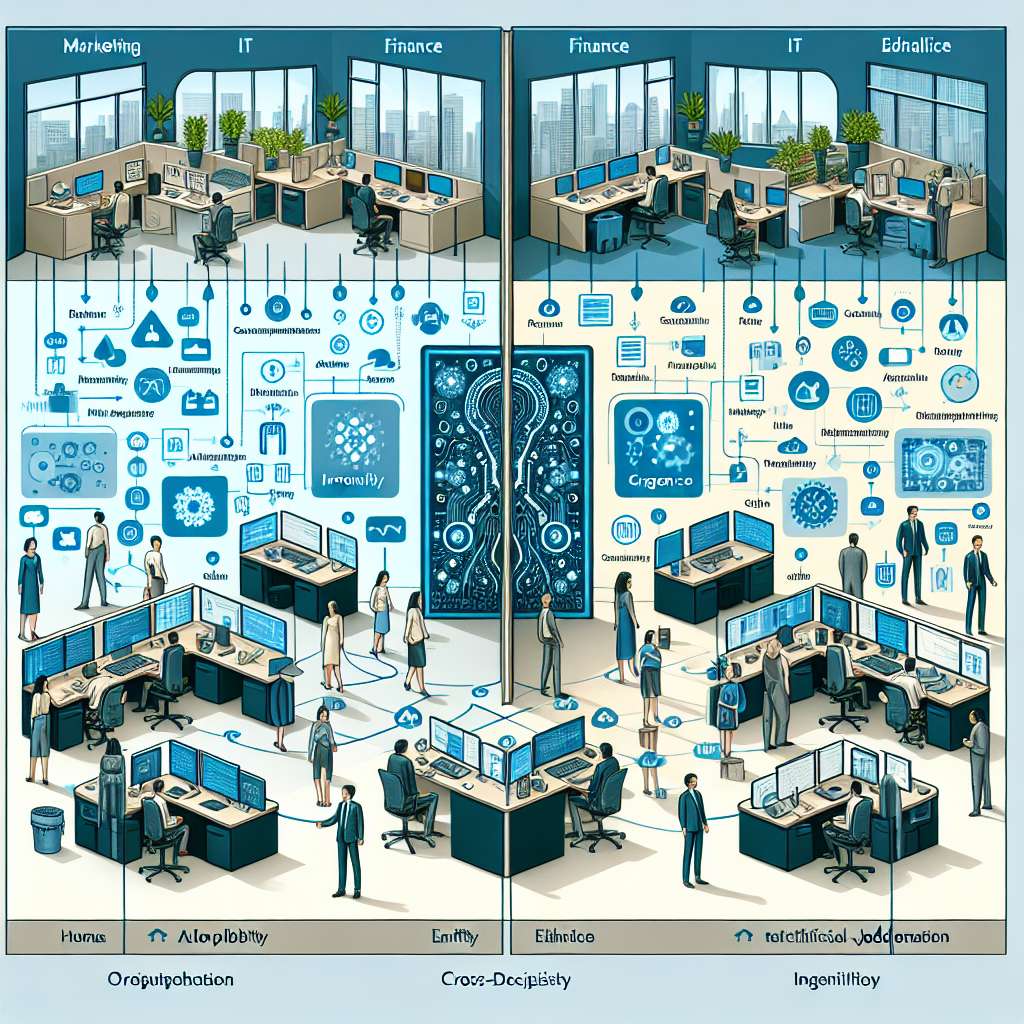
Fujitsu outlines how Artificial Intelligence-first organizations are reshaping company structures, talent management, and career paths. The shift favors workflow-based design, continuous reskilling, and stronger individual adaptability as Artificial Intelligence becomes embedded in core business operations.
AMD challenges Nvidia on software and CPUs
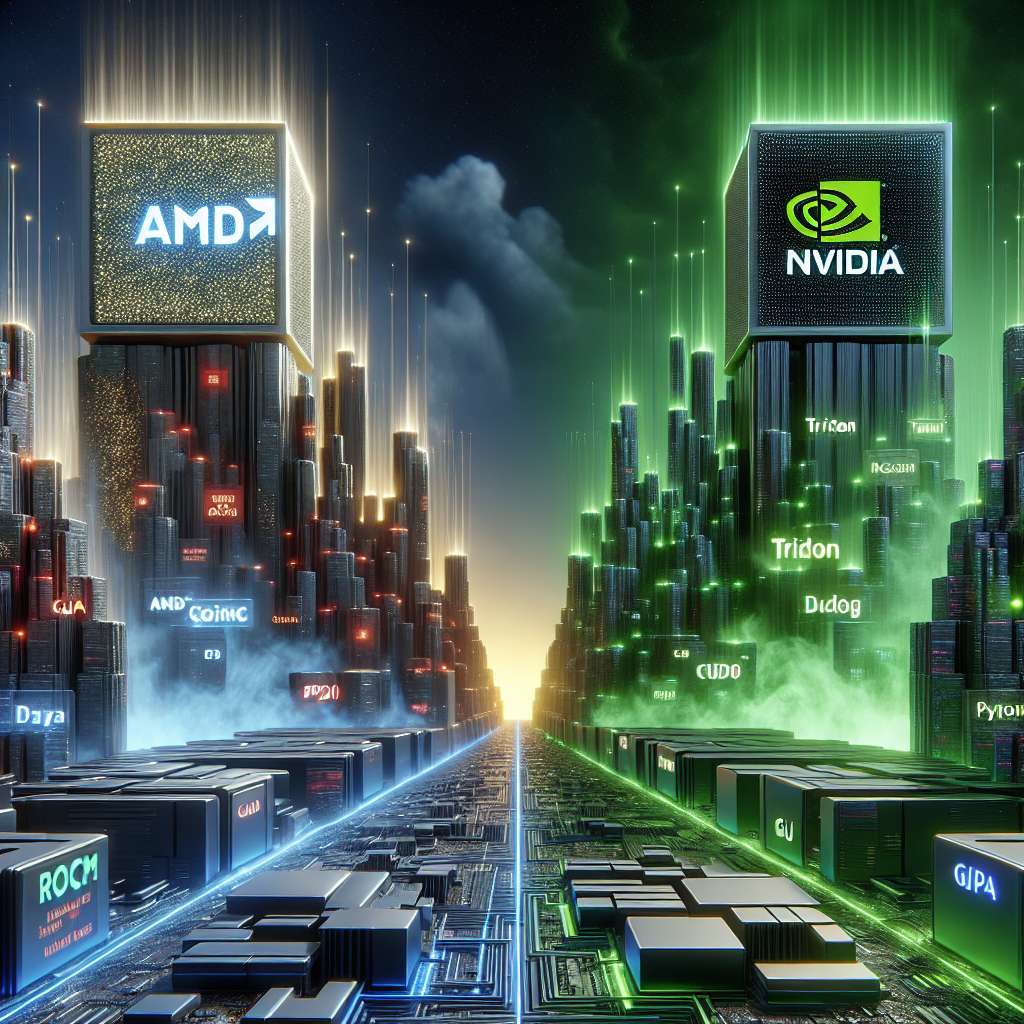
AMD is pressing Nvidia on two fronts: reducing lock-in around gpu software and defending its lead in server cpus as Nvidia expands with Grace and Vera. The contest is shaping around open developer tools, inference performance, and control of Artificial Intelligence data center orchestration.
Nvidia’s hold on the Artificial Intelligence boom
Nvidia is portrayed as a central power broker in the Artificial Intelligence industry, with Jensen Huang’s remarks underscoring the company’s influence. The available details point to a chip giant seen as a kingmaker in the market.
Colorado proposes new automated decision law to replace its Artificial Intelligence act

Colorado policymakers have proposed a new framework that would replace the state’s existing Artificial Intelligence law with a regime centered on automated decision making, consumer notice, and recordkeeping. The rewrite would narrow scope in some areas while easing several compliance duties imposed by the current law.
Google Cloud executive warns on fragile Artificial Intelligence startup models

Google Cloud startup chief Darren Mowry says startups built as thin large language model wrappers or broad model aggregators face shrinking margins and growing commoditization. He argues that durable companies will need stronger infrastructure choices, specialized use cases, and sustainable economics.
NC State researchers target safer large language models

North Carolina State University researchers developed a framework for understanding why large language models can produce unsafe outputs and identified neuron-level components tied to safety decisions. Their approach aims to preserve safety during fine-tuning while reducing the performance costs of alignment.
What comes next for large language models and agents
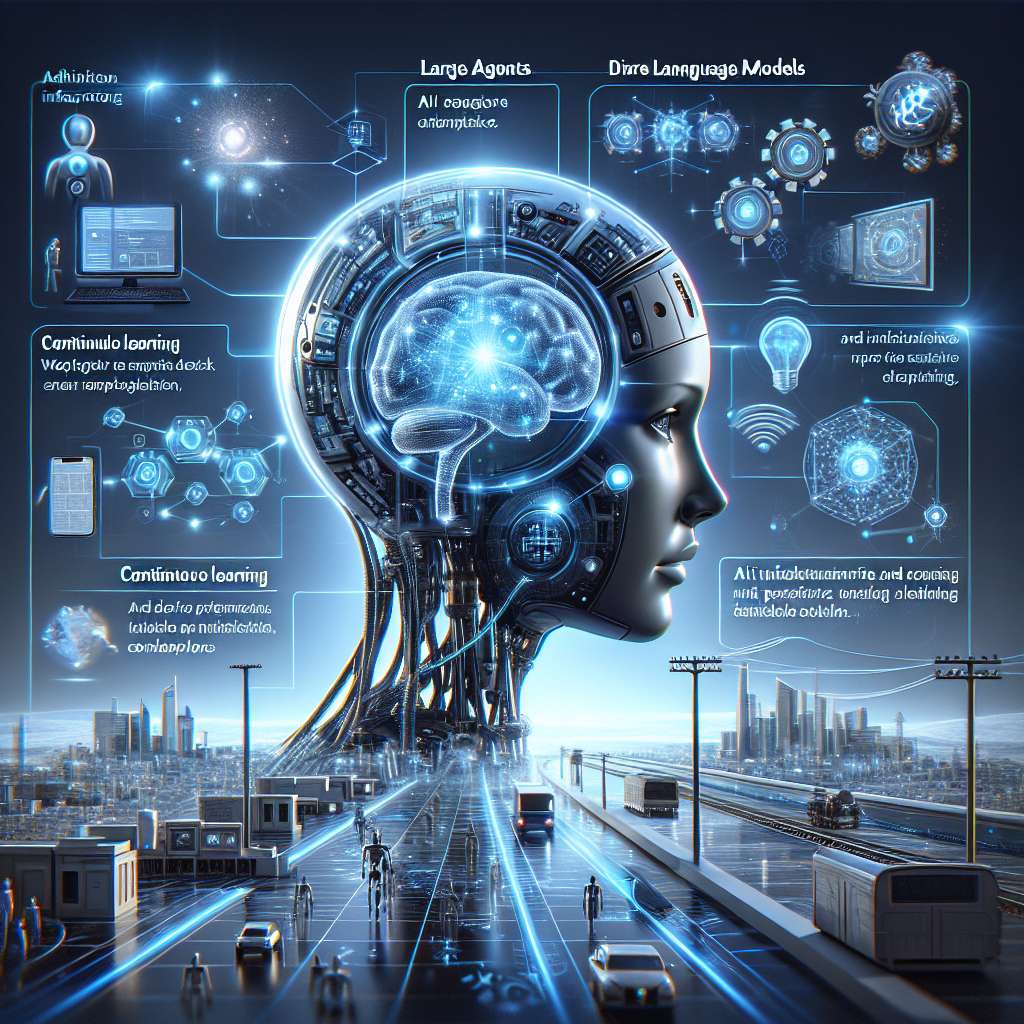
Google and Nvidia researchers outlined a near-term future in which large language models and agents act more autonomously, learn continuously, and operate at machine speed. They also pointed to new roles in chip design, robotics, cybersecurity, and education.
NVIDIA donates gpu resource driver to Kubernetes community
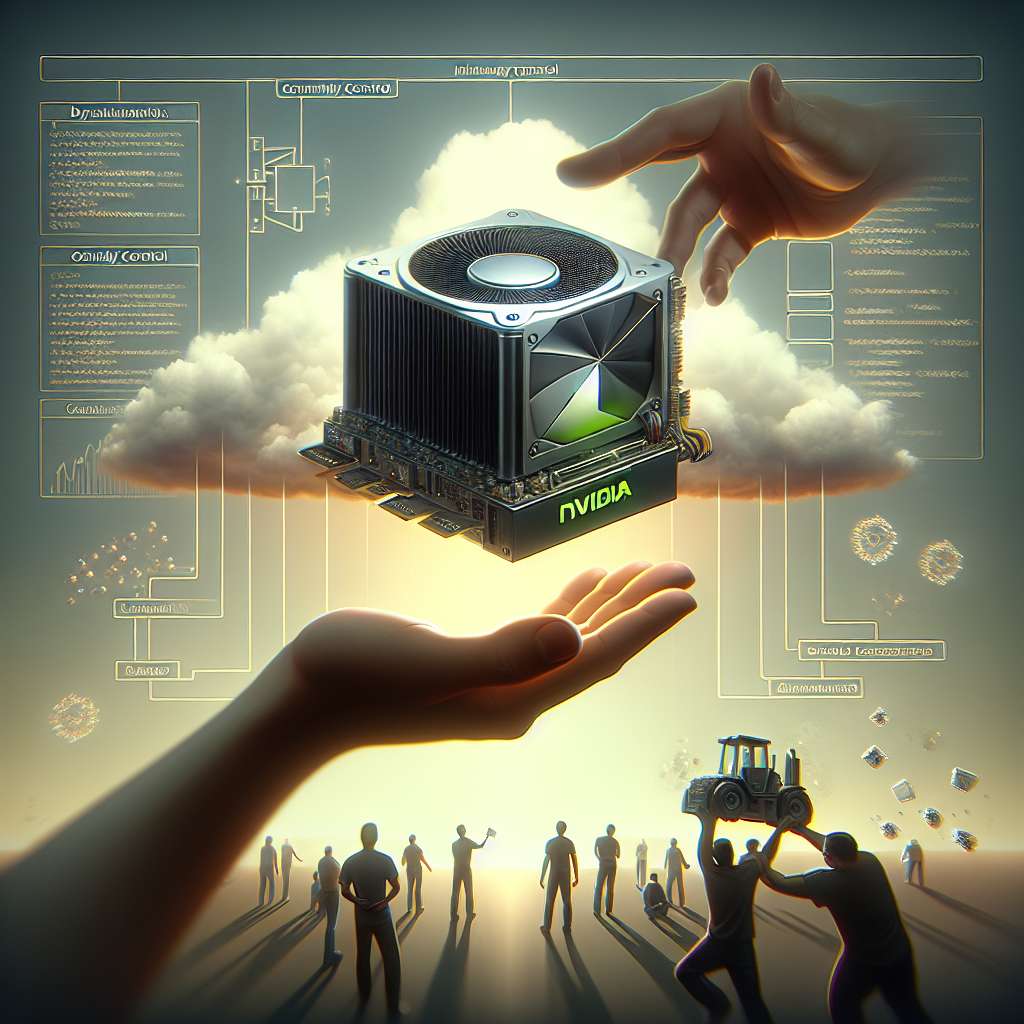
NVIDIA is transferring its Dynamic Resource Allocation driver for GPUs to the Cloud Native Computing Foundation, shifting governance to the Kubernetes community. The move is aimed at making high-performance Artificial Intelligence infrastructure more open, flexible and easier to manage across cloud-native environments.
Artificial Intelligence delusions and OpenAI’s Microsoft risk
Stanford researchers found that chatbots can intensify delusion-like thinking into dangerous obsession, while a separate report highlights OpenAI’s admission that its ties to Microsoft pose a business risk. The briefing also spans policy, chips, space, biotech, and digital rights.
Joe Tsai links China’s Artificial Intelligence gains to power and open source

Joe Tsai said China’s recent Artificial Intelligence progress has been built on power grid investment, open-source models and a complete manufacturing supply chain. He framed those strengths as practical advantages for scaling applications and widening access.