
Xavier Niel warns Europe risks irrelevance if it misses artificial intelligence wave
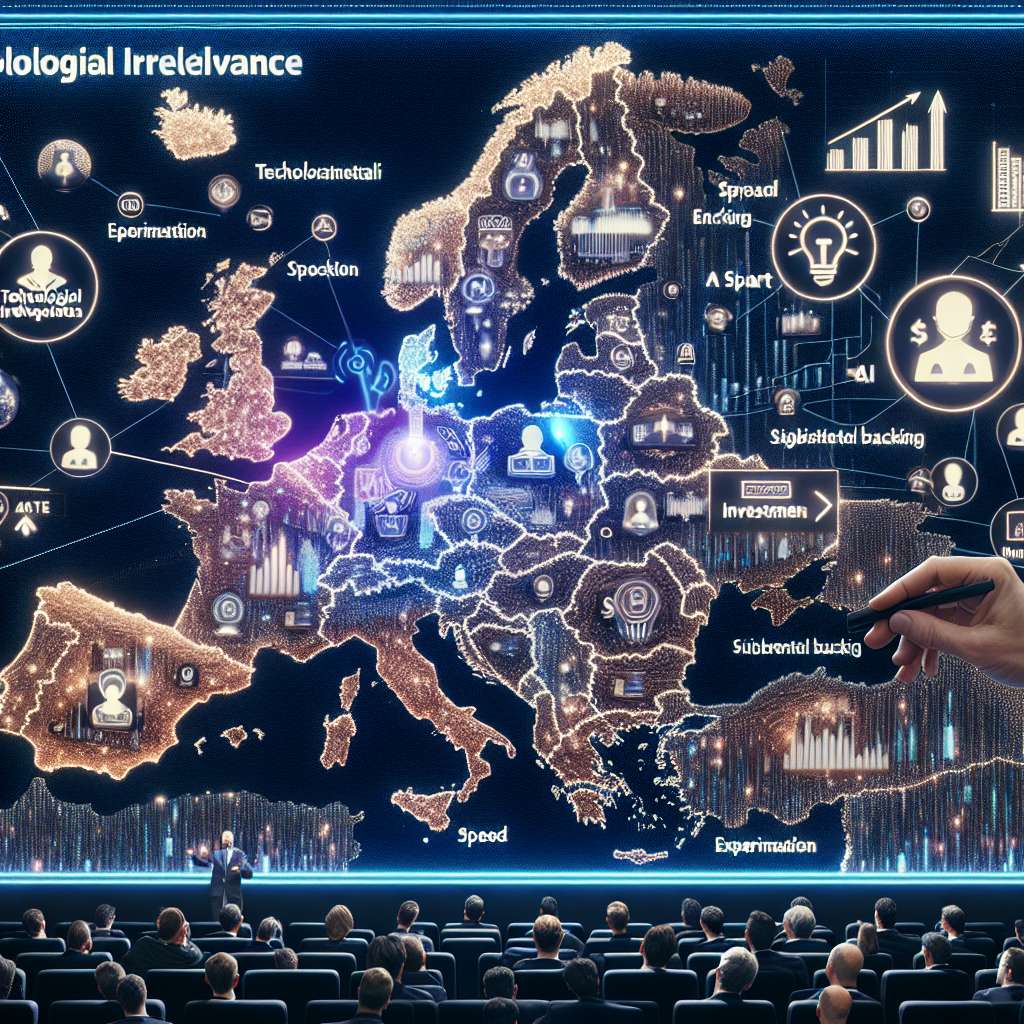
French tech billionaire Xavier Niel argues that Europe has a narrow window to leverage its strengths in artificial intelligence or risk becoming an “abandoned” continent focused on museums rather than innovation.
Supreme court tariff ruling leaves artificial intelligence tech sector in prolonged uncertainty

A temporary market rally after the supreme court’s tariff decision has been overshadowed by escalating global tariff threats from the administration, leaving artificial intelligence and broader tech companies facing extended policy uncertainty and geopolitical risk.
Nvidia targets 150 million laptop market with artificial intelligence focused chips
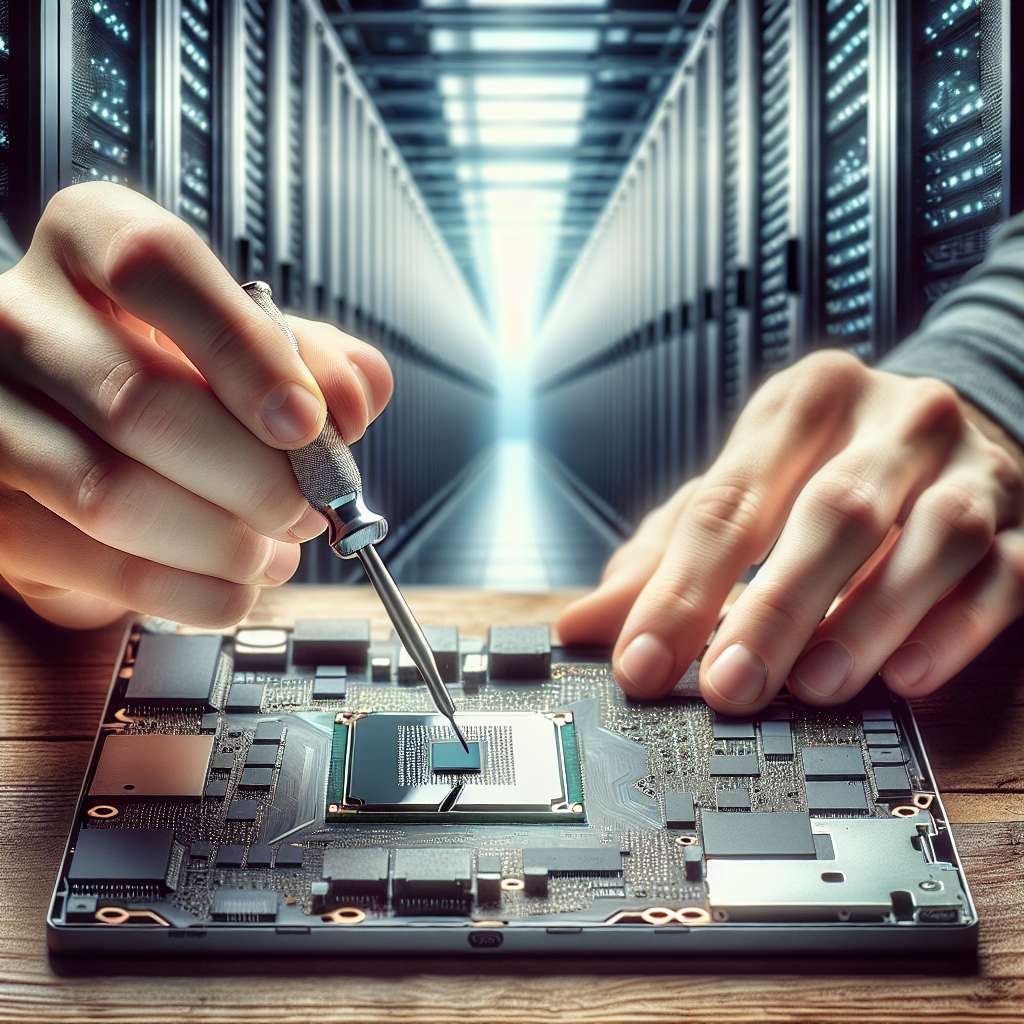
Nvidia is reentering the consumer laptop market with new system-on-a-chip designs aimed at next-generation Artificial Intelligence PCs, partnering with MediaTek and Intel to challenge existing Windows platforms. The move is positioned as a long-term ecosystem play rather than an immediate profit driver, as analysts weigh pricing, performance and gaming compatibility.
Microsoft Defender for Cloud adds granular alerts for securing Artificial Intelligence services and agents
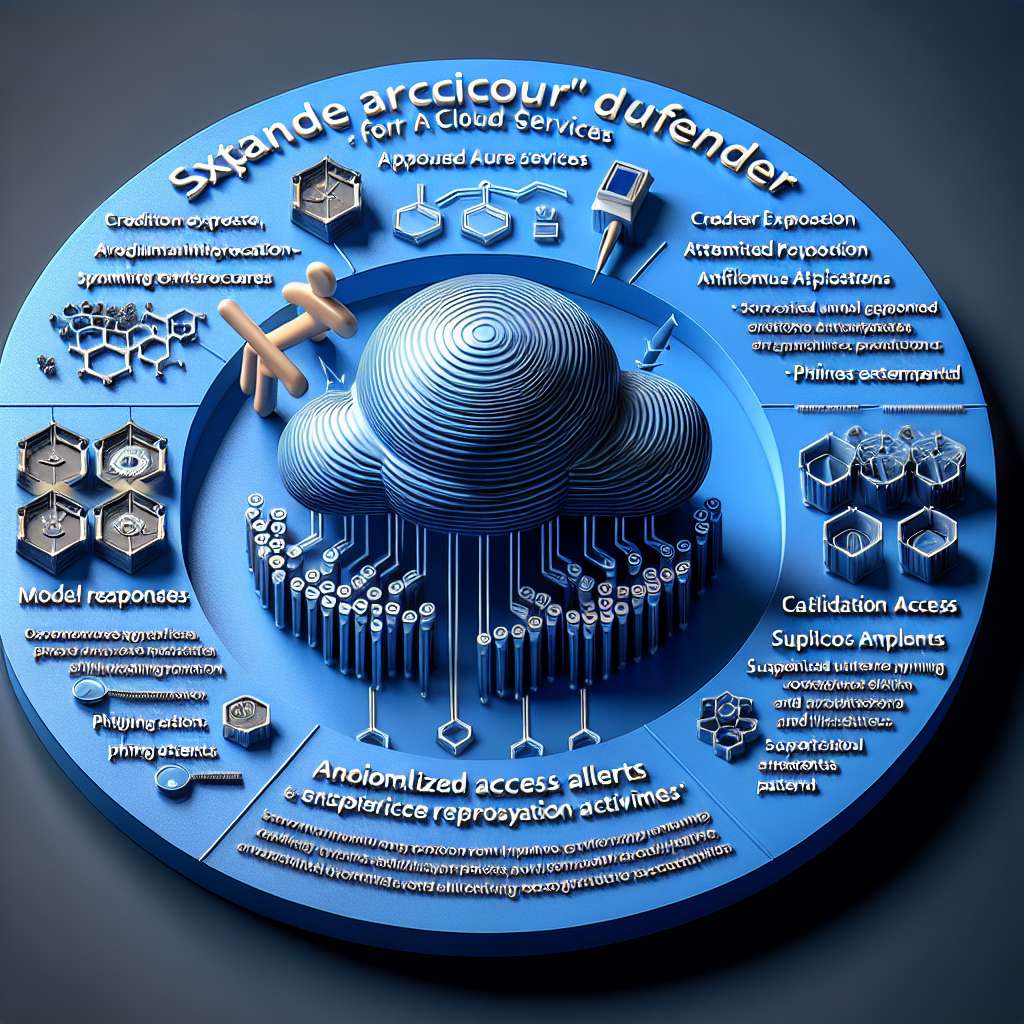
Microsoft Defender for Cloud now exposes a detailed set of alerts tailored to threats against Azure Artificial Intelligence applications and agent-based systems, mapping each signal to specific attack tactics and severities. The alerts cover credential leaks, jailbreaks, phishing, access anomalies, wallet abuse and reconnaissance on both model deployments and agentic workloads.
Hollywood backlash intensifies over Artificial Intelligence video platform Seedance 2.0
A hyperreal Artificial Intelligence video of Brad Pitt and Tom Cruise fighting has turned ByteDance’s Seedance 2.0 into Hollywood’s newest flashpoint, prompting legal threats, union condemnation, and a broader industry alarm over deepfake entertainment.
‘Thermodynamic computer’ uses thermal noise to mimic generative artificial intelligence

Researchers have demonstrated a thermodynamic computer concept that harnesses thermal noise to generate images, closely mimicking neural network diffusion models while consuming orders of magnitude less energy than conventional artificial intelligence hardware.